
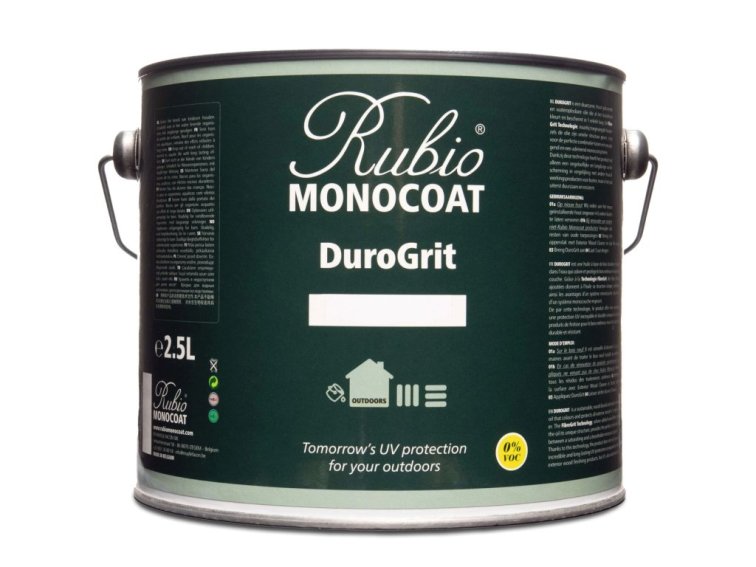
Rubio | Oil Plus 2C probarvený olej s akcelerátorem - Dark Oak
Code: R006290


Related products


Product detailed description
How does it work?
· “2C” stands for two-component: It consists of oil (component A) and an accelerator (component B). Both are included in the package. Mixing both components creates a fast-curing finish that is walkable in just 24–36 hours.
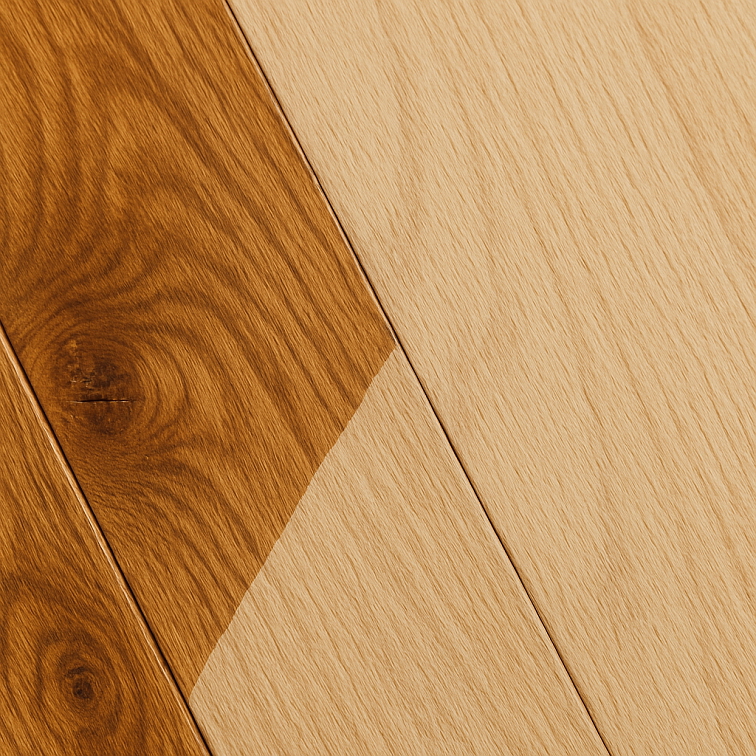
·Itbondswith the wood through molecular bonds: The oil chemicallybonds to the surface fibers of the wood,so it does not form a film on the surface like varnish, but becomes part of it.
Why will you love it?
· Justone coat —fast, easy, and economical
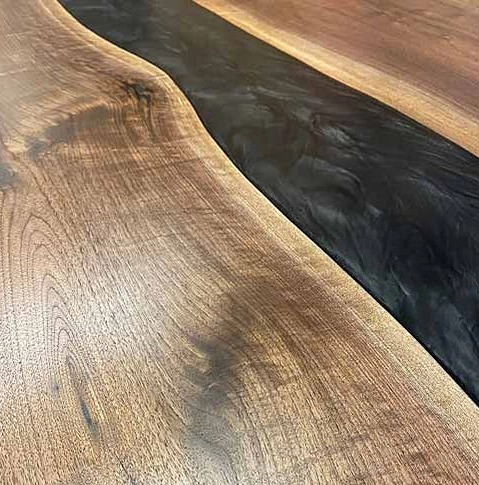
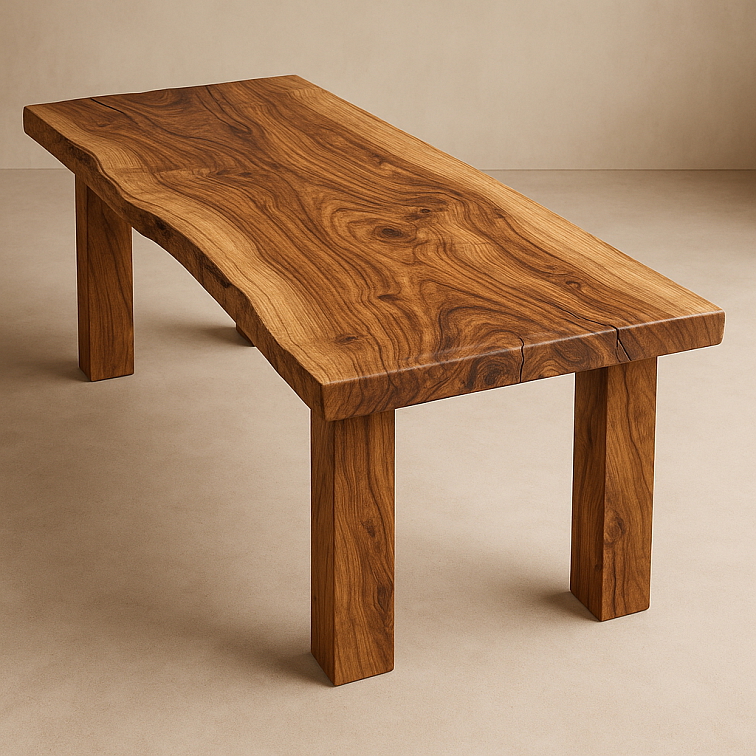
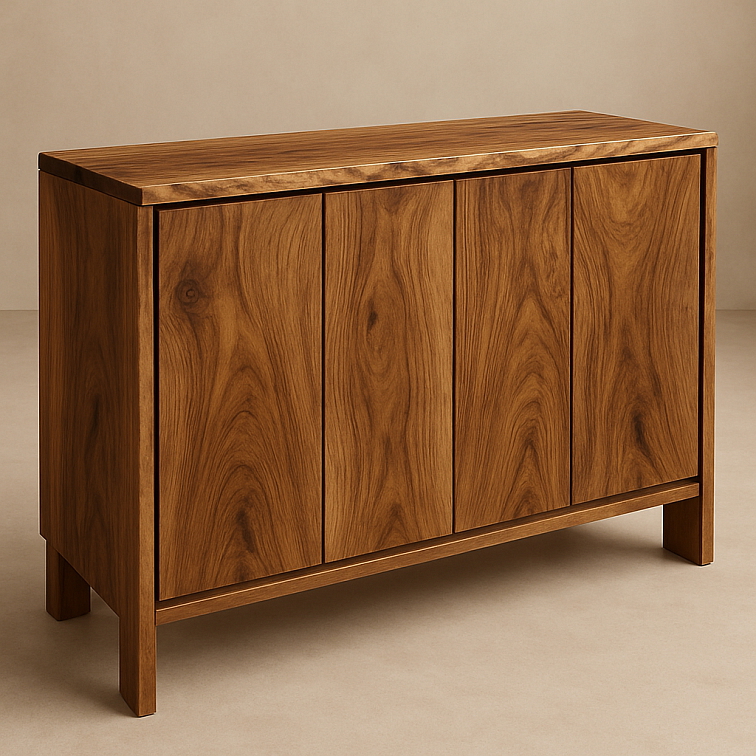
· Naturalwood look – no plastic sheen
· Pleasantto the touch – beautiful matte finish
· Long-lasting – resistant to water, wear, and stains
· Odorlessand safe – contains no harmful vapors (VOCs)
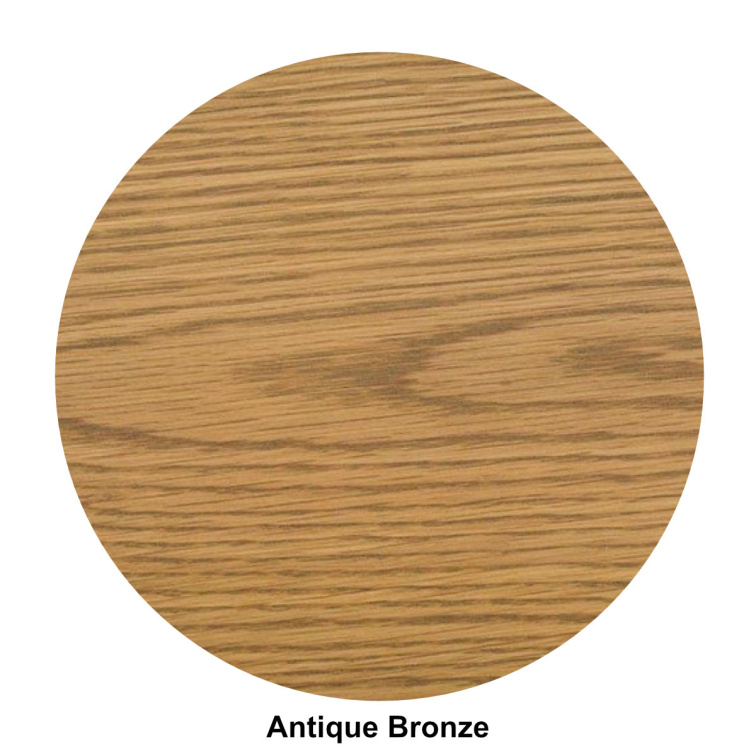
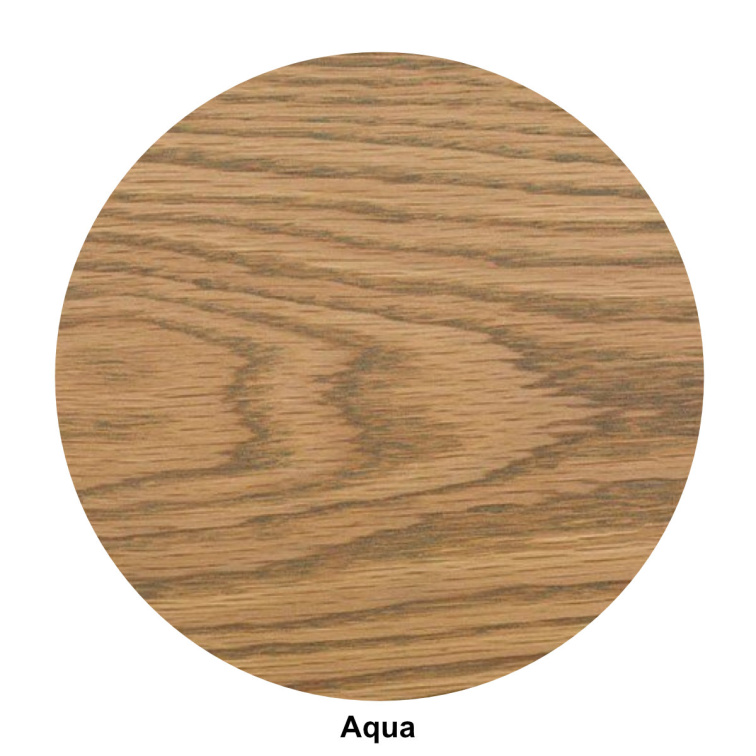
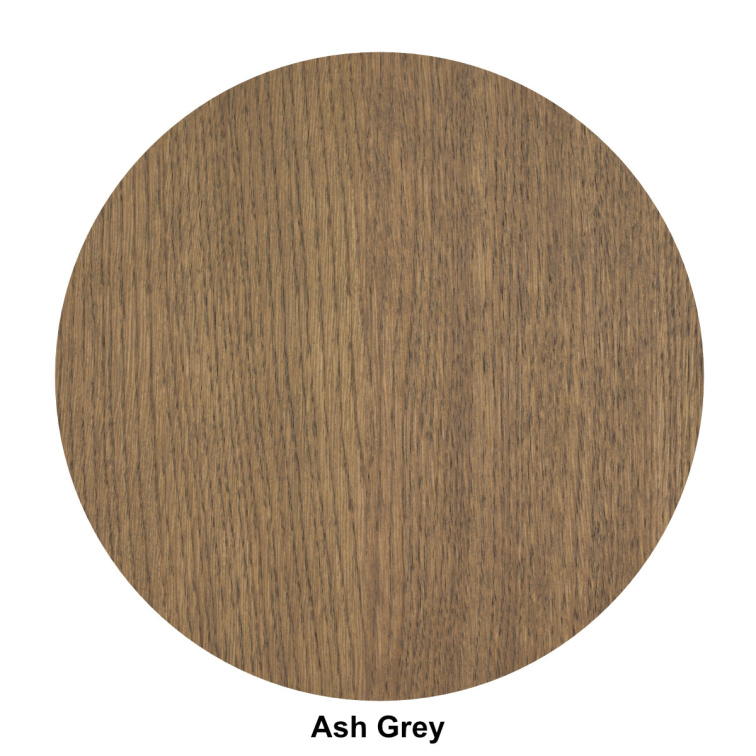
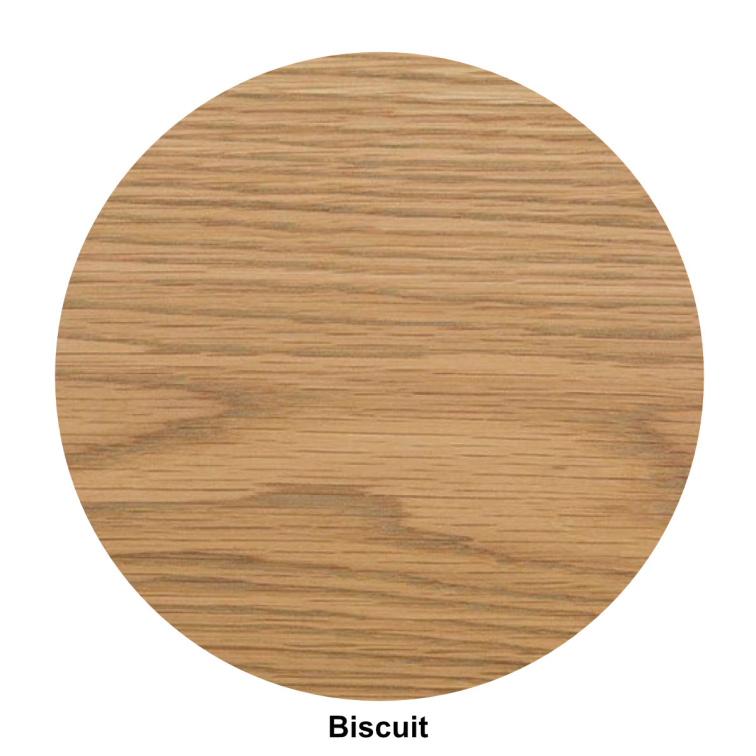
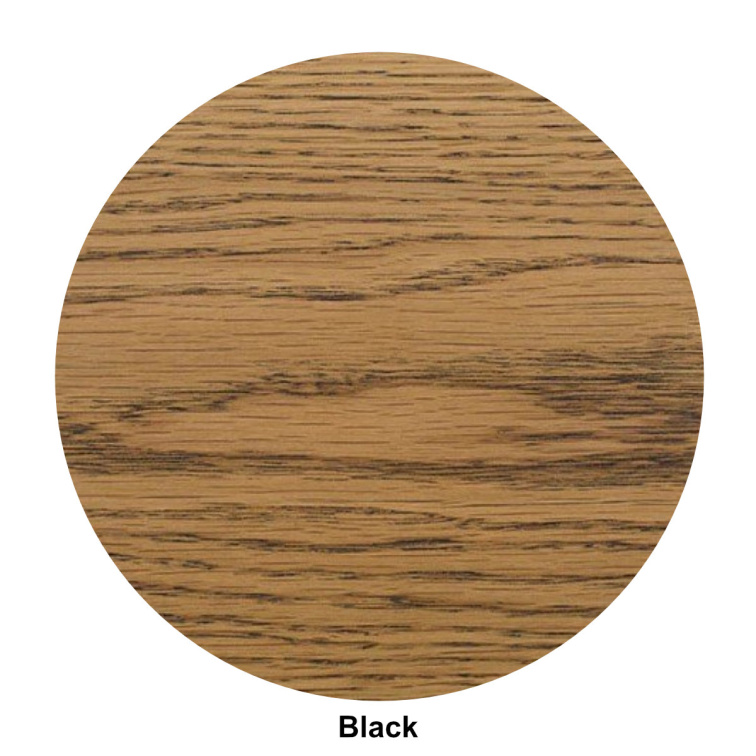
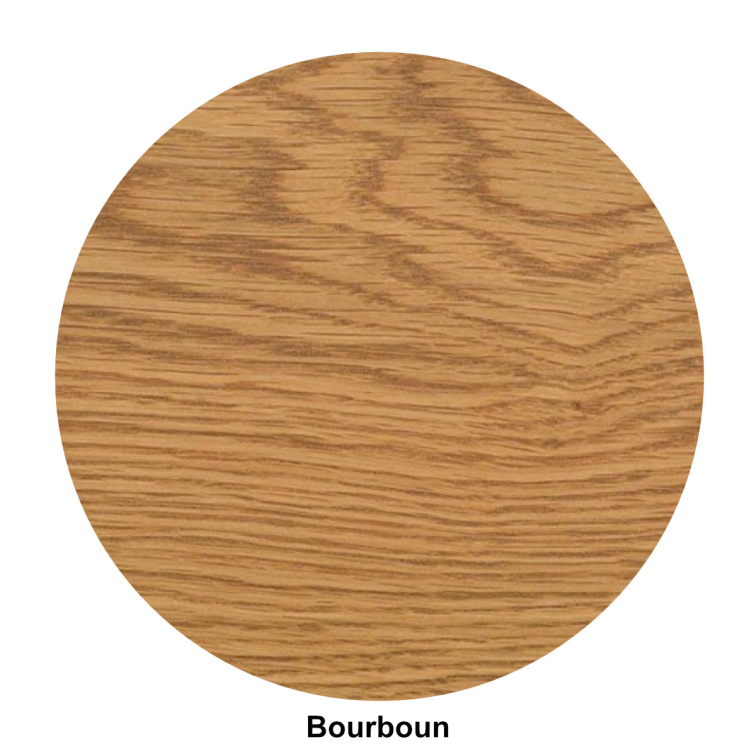
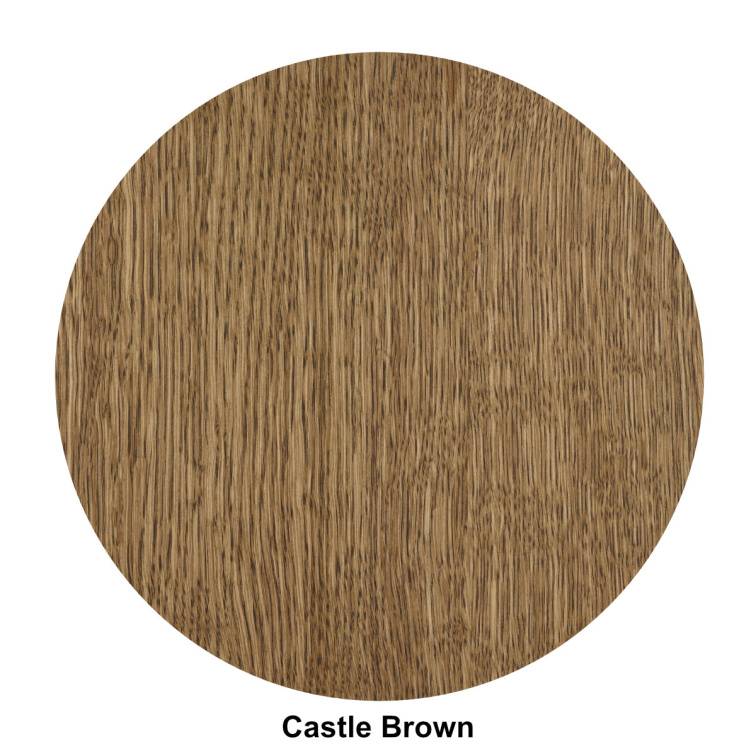
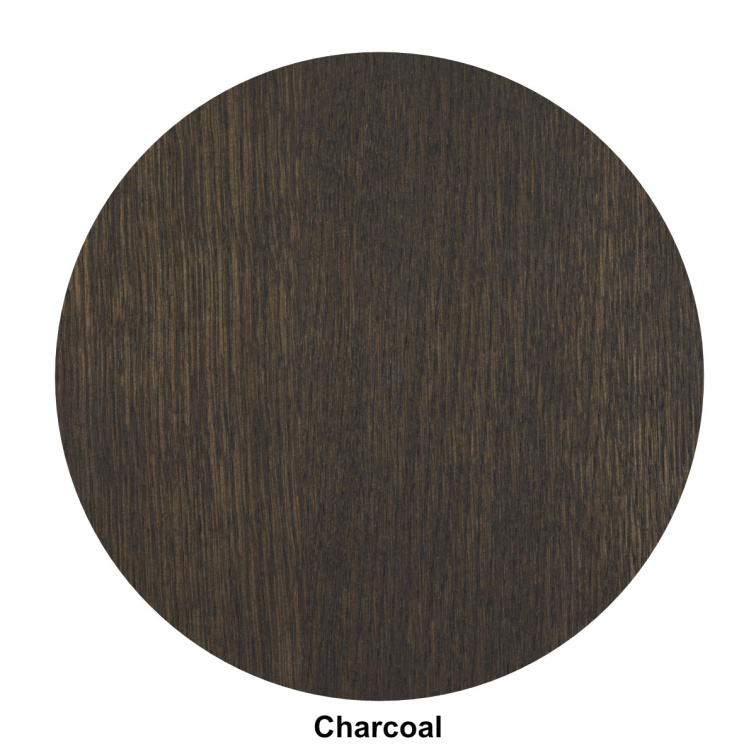
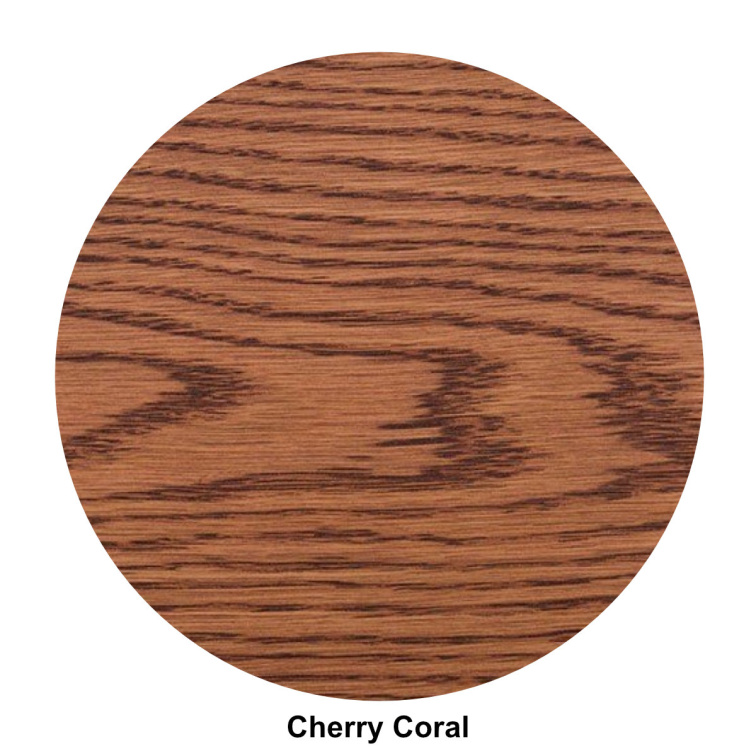
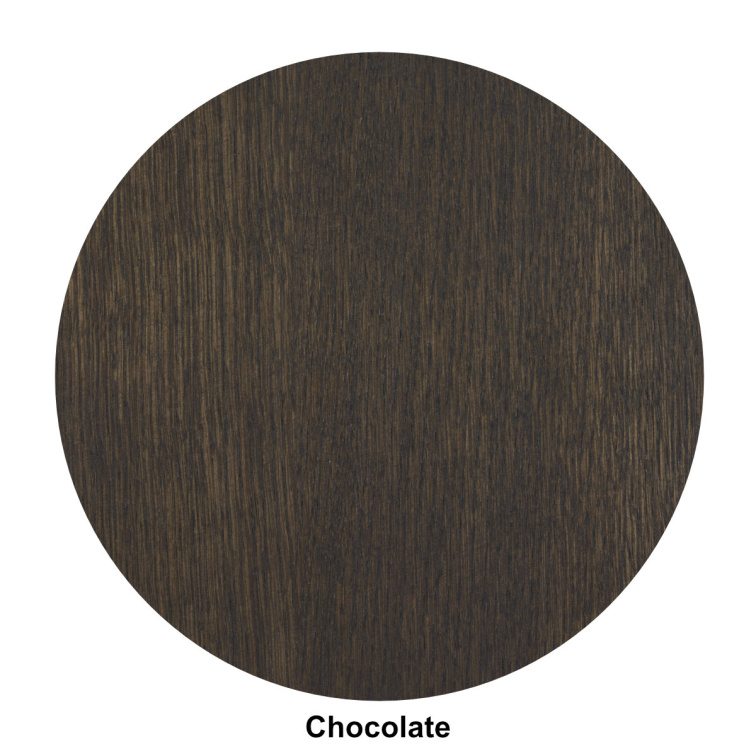
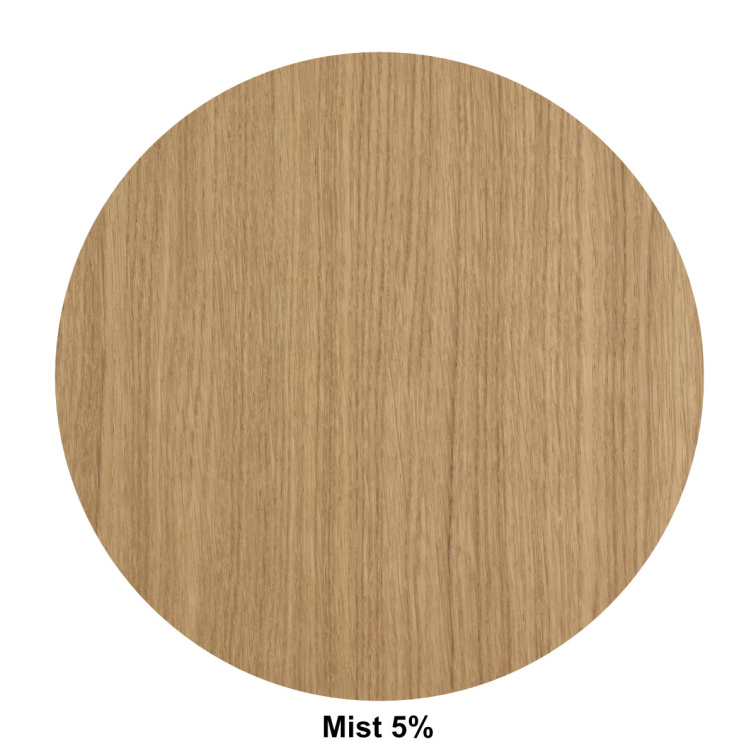
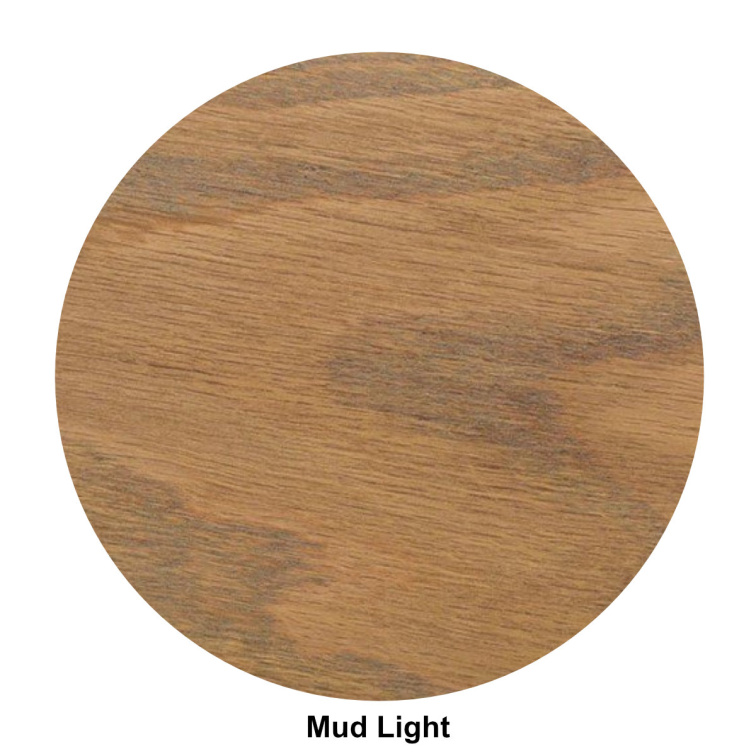
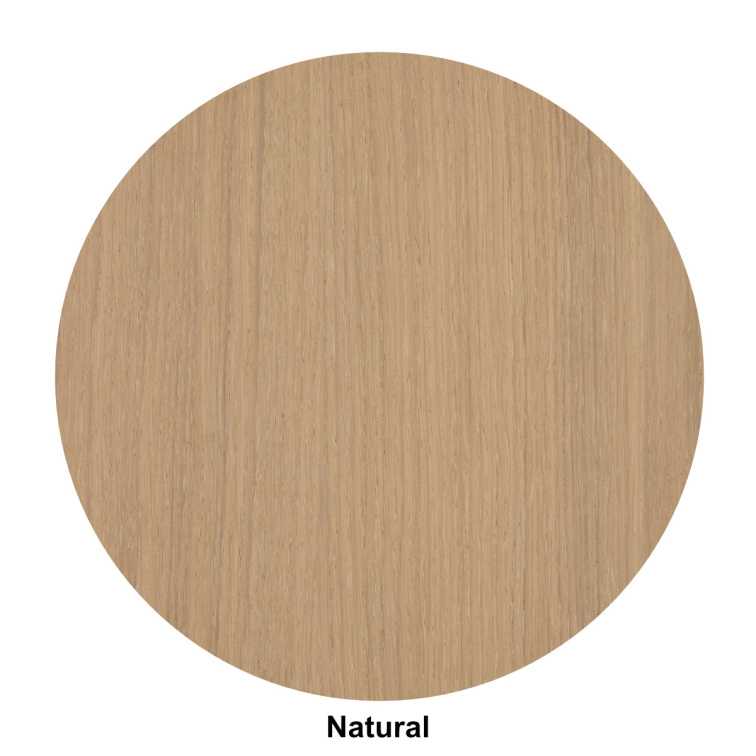
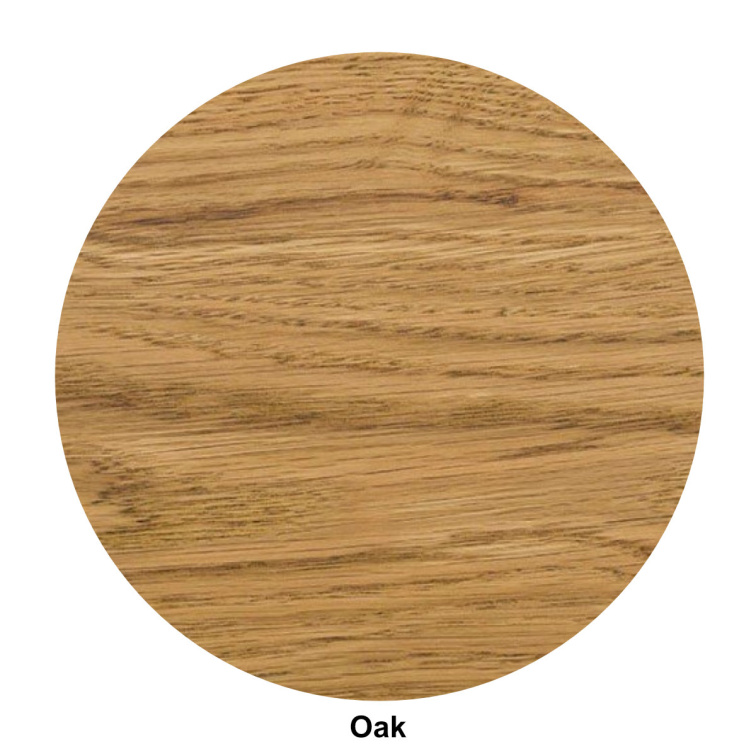
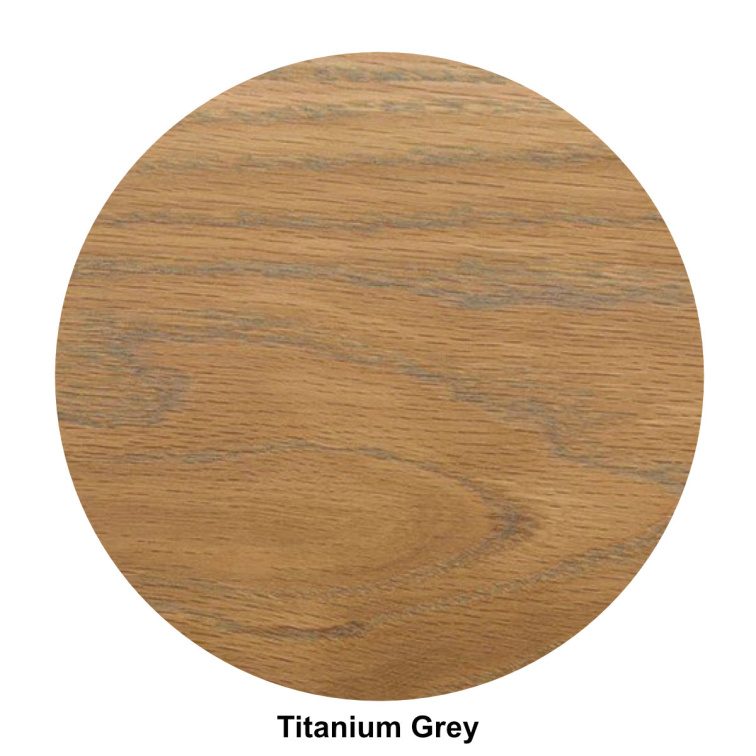
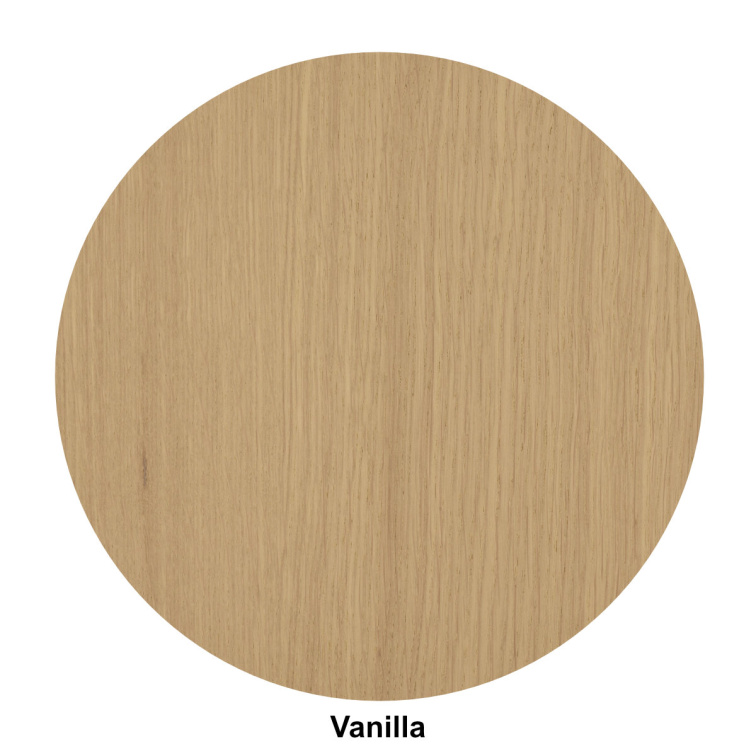
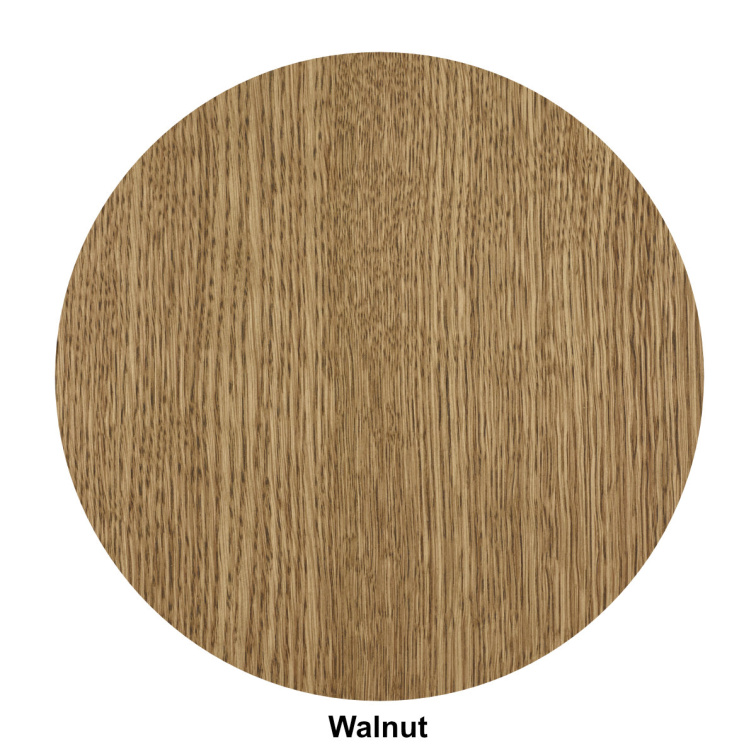
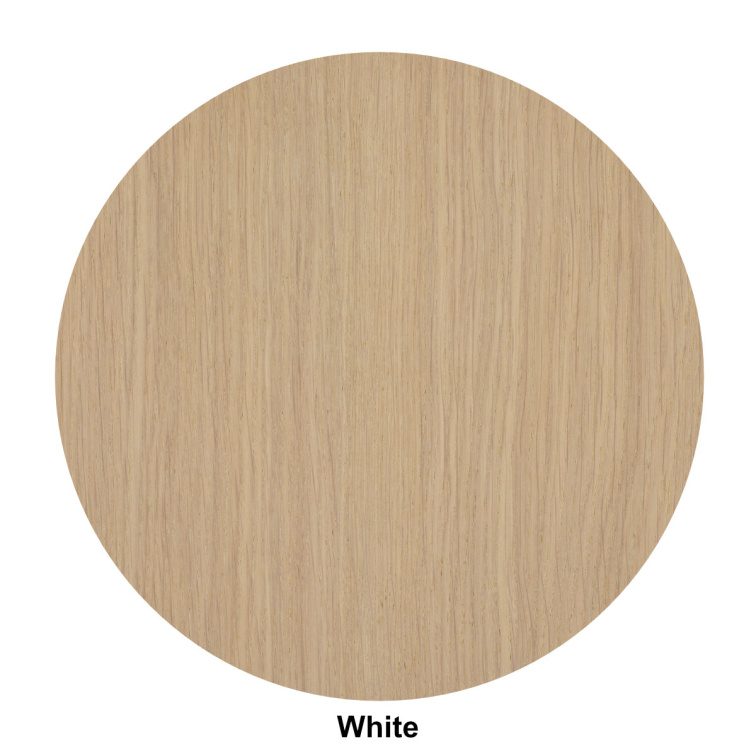
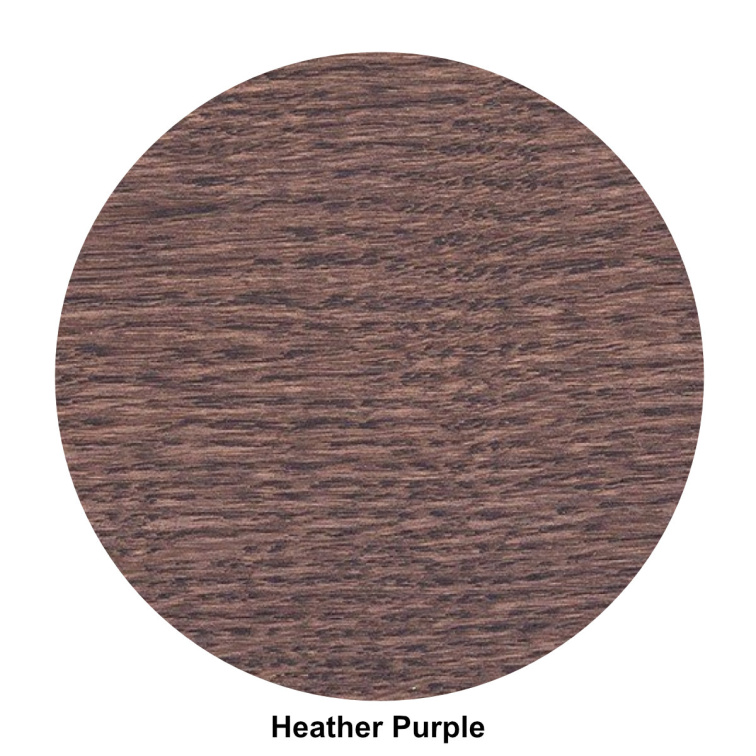
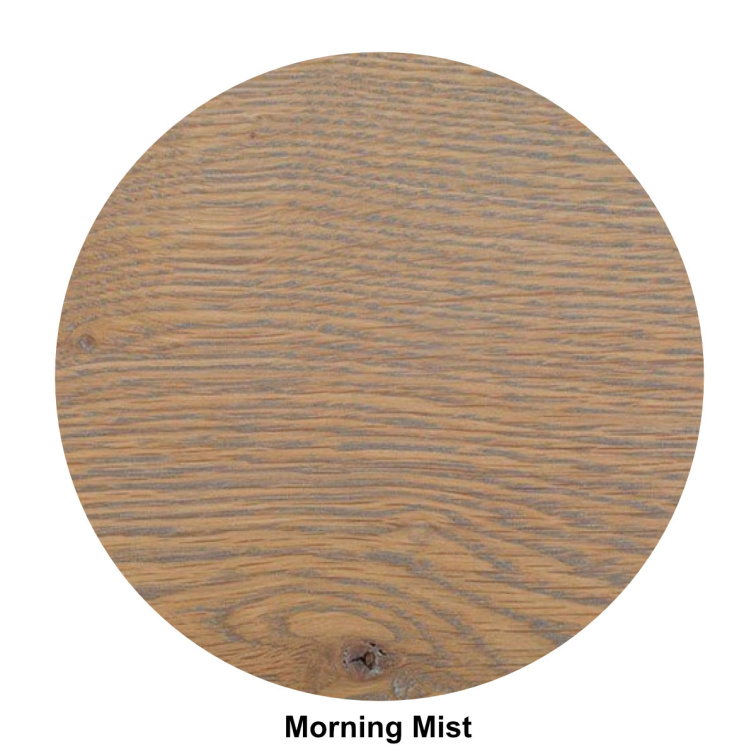
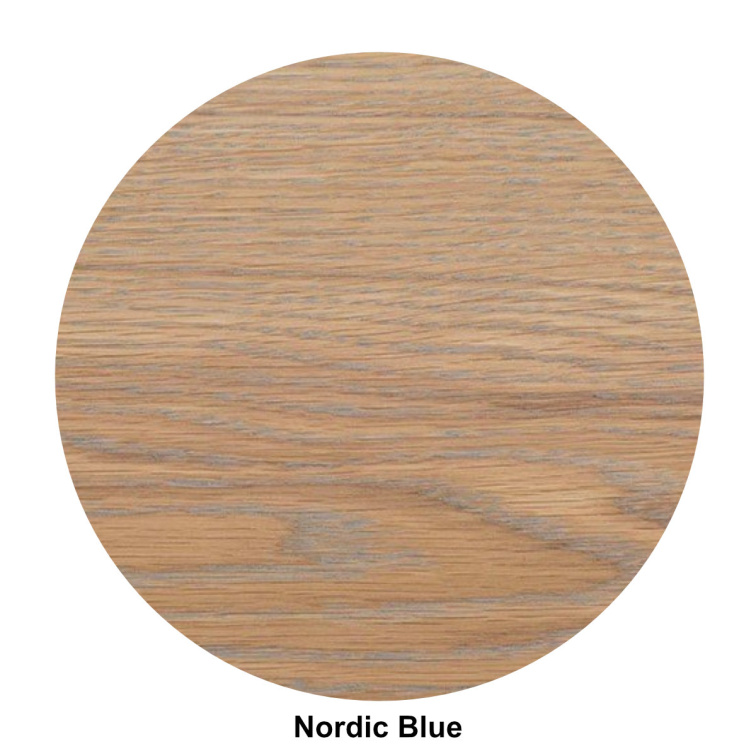
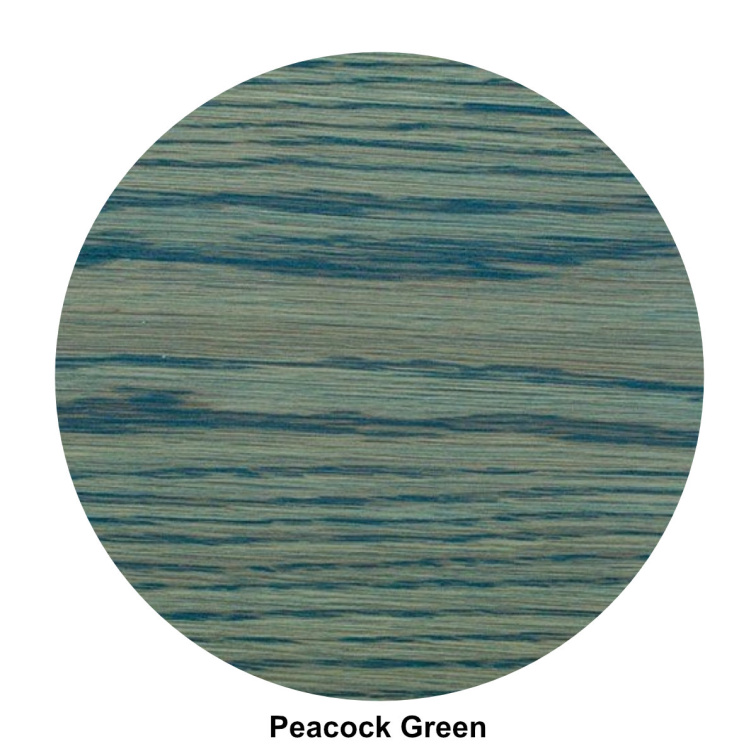
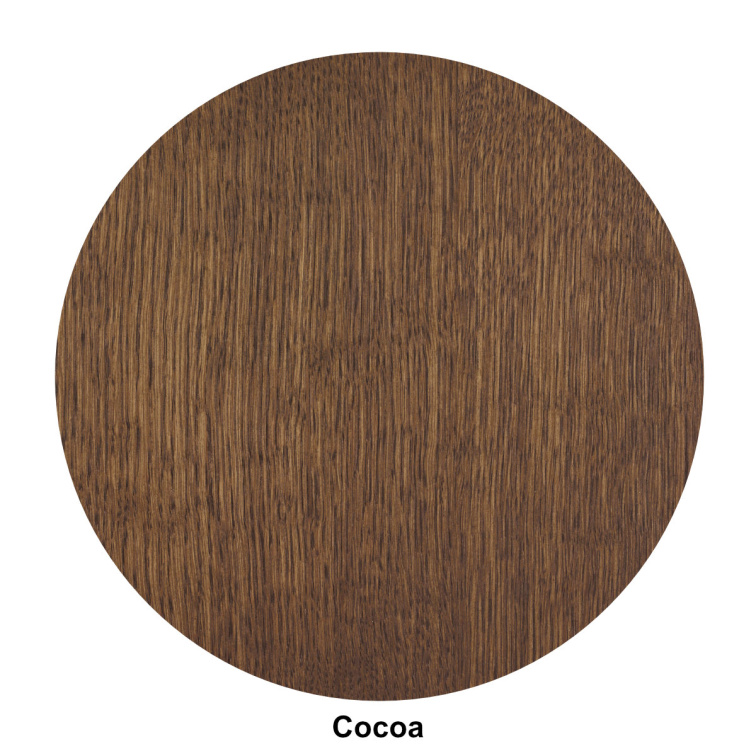
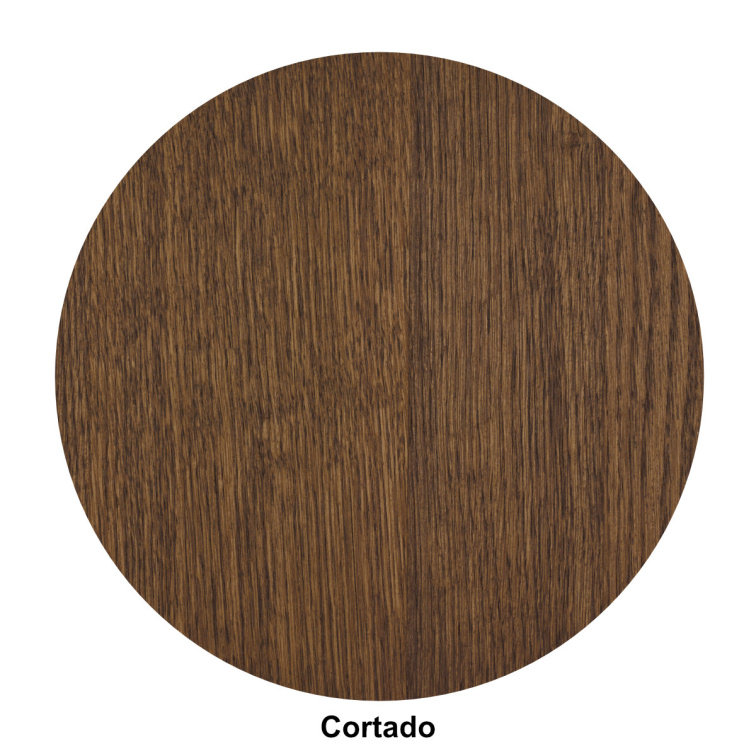
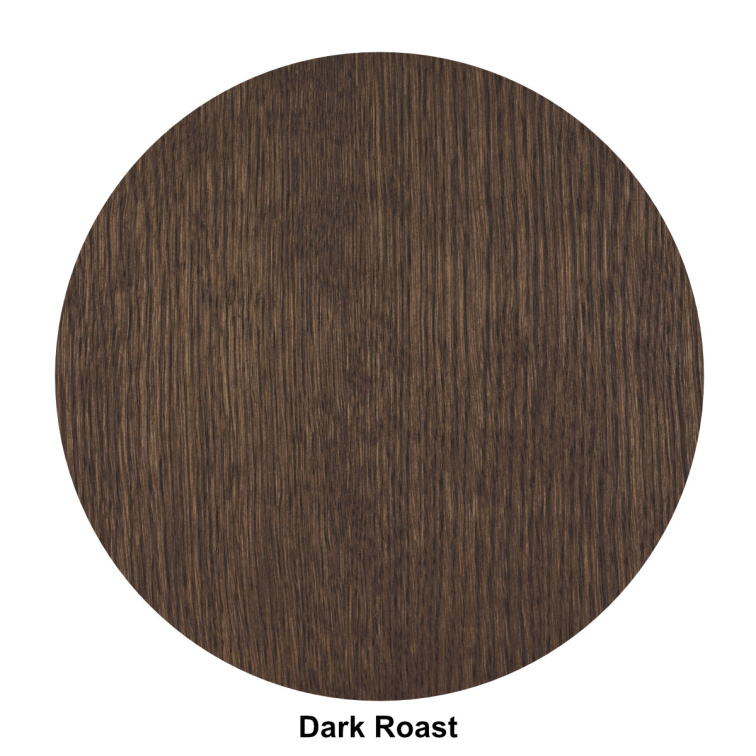
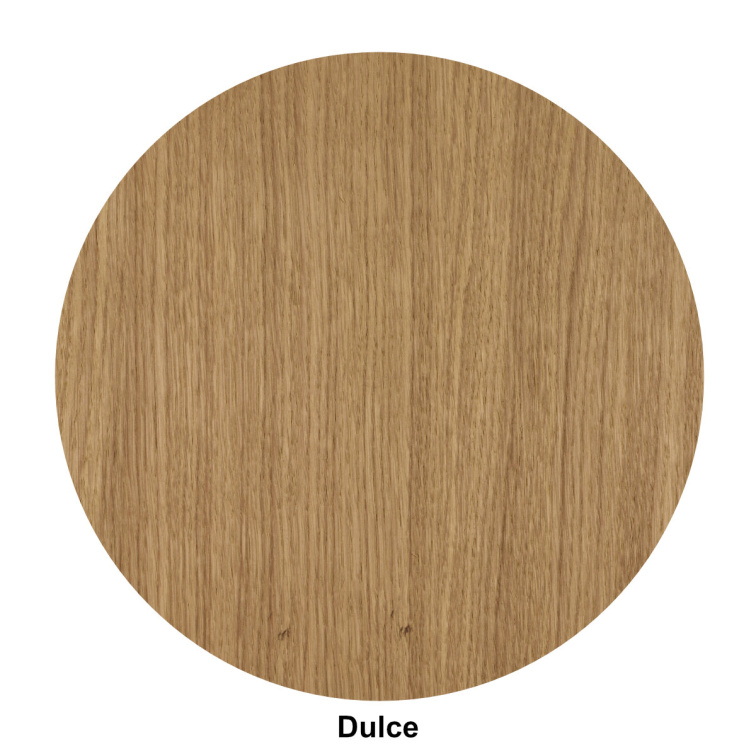
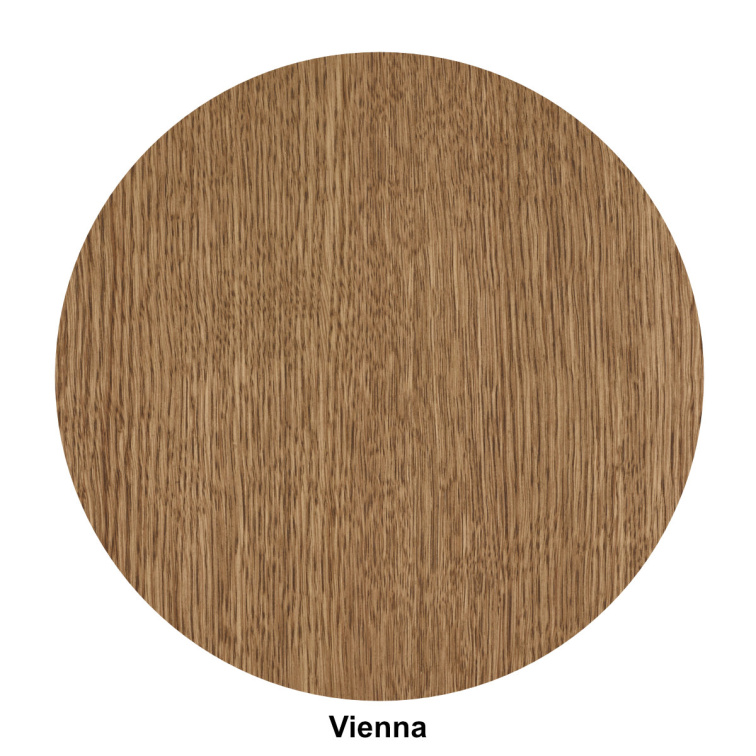
· 40color shades – and you can even mix them
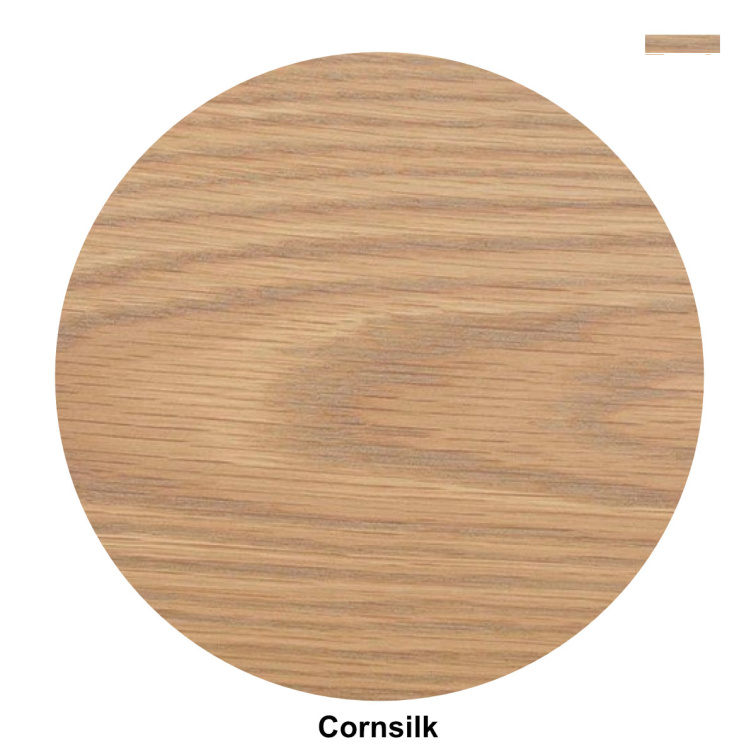
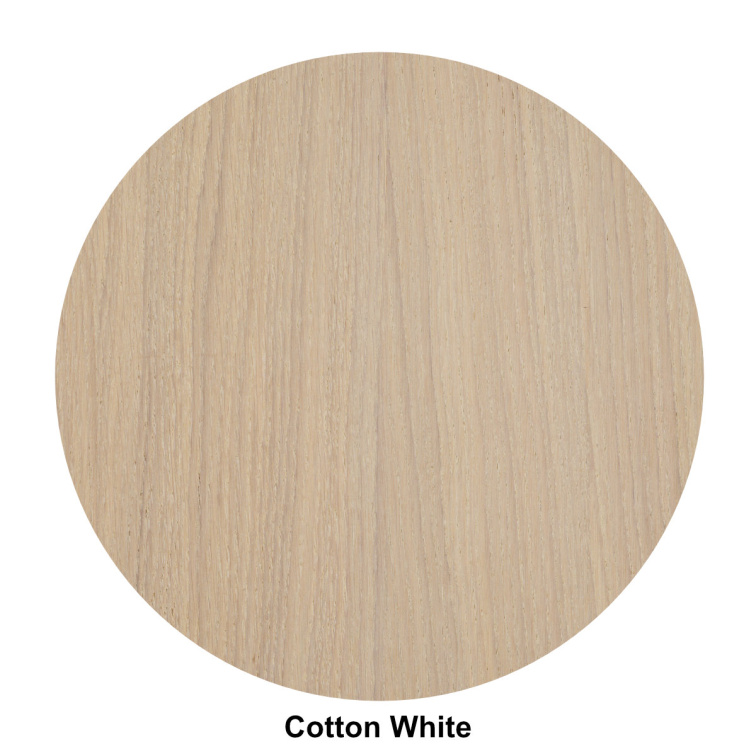
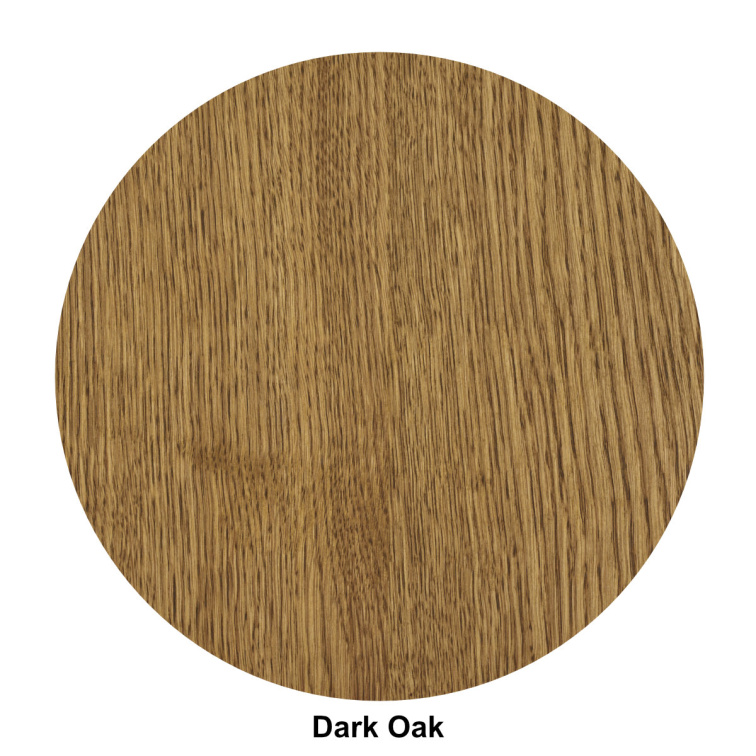
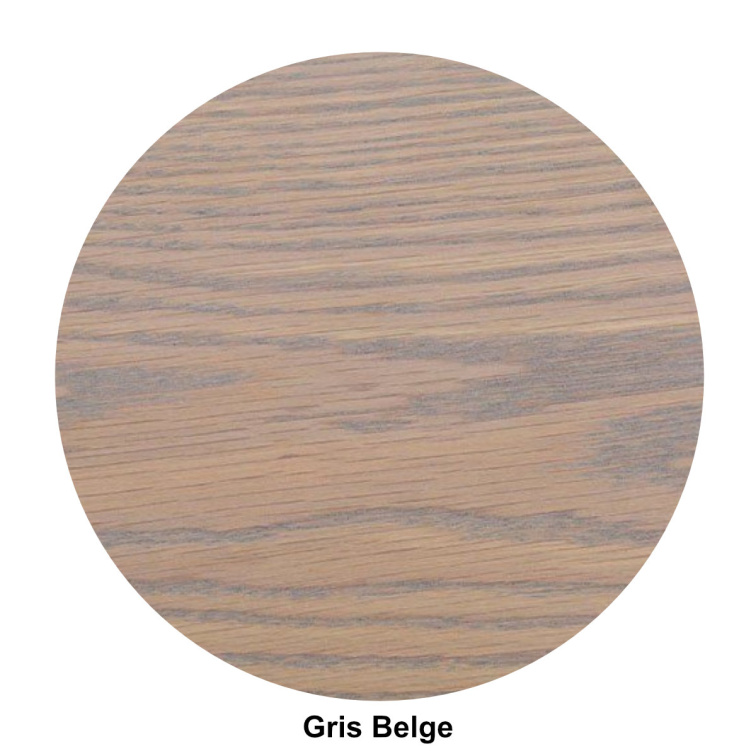
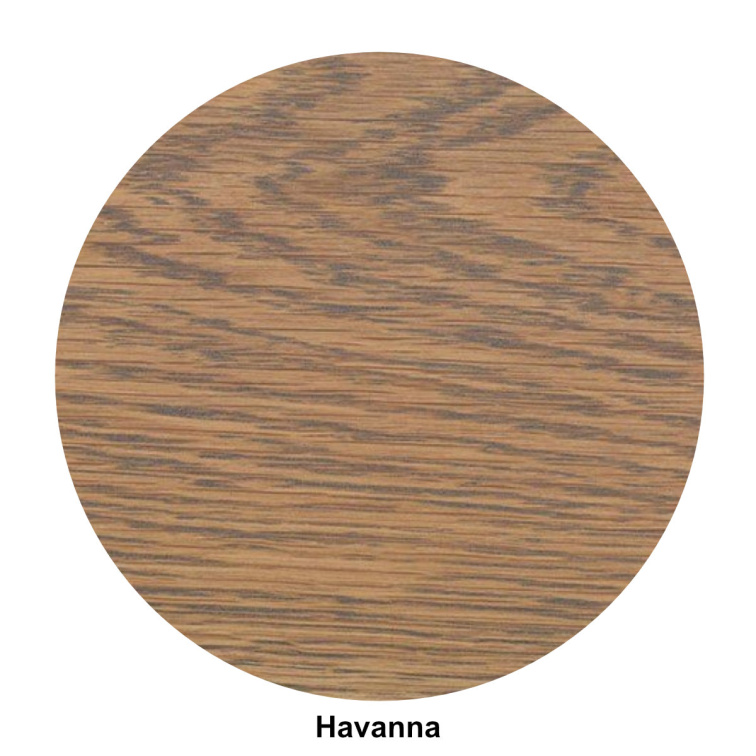
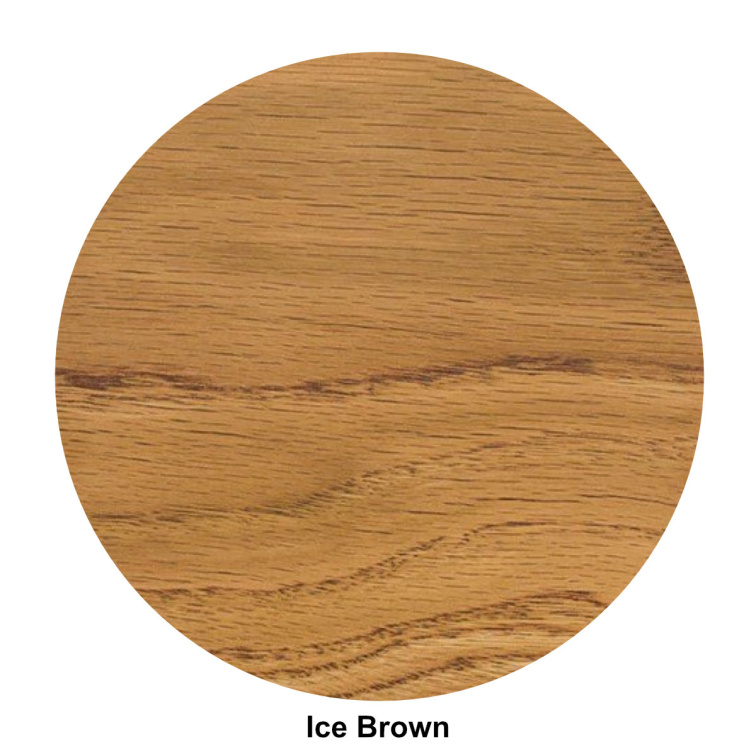
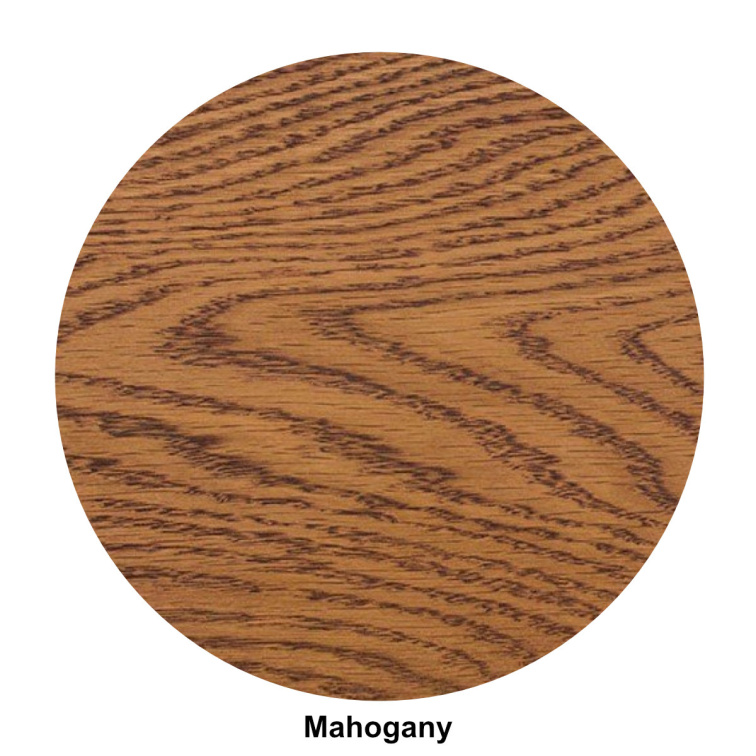
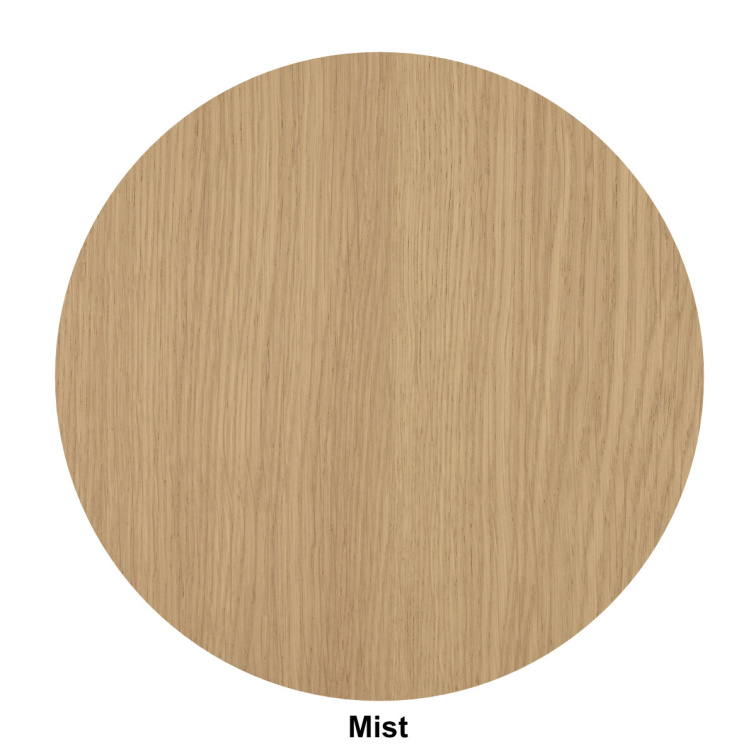
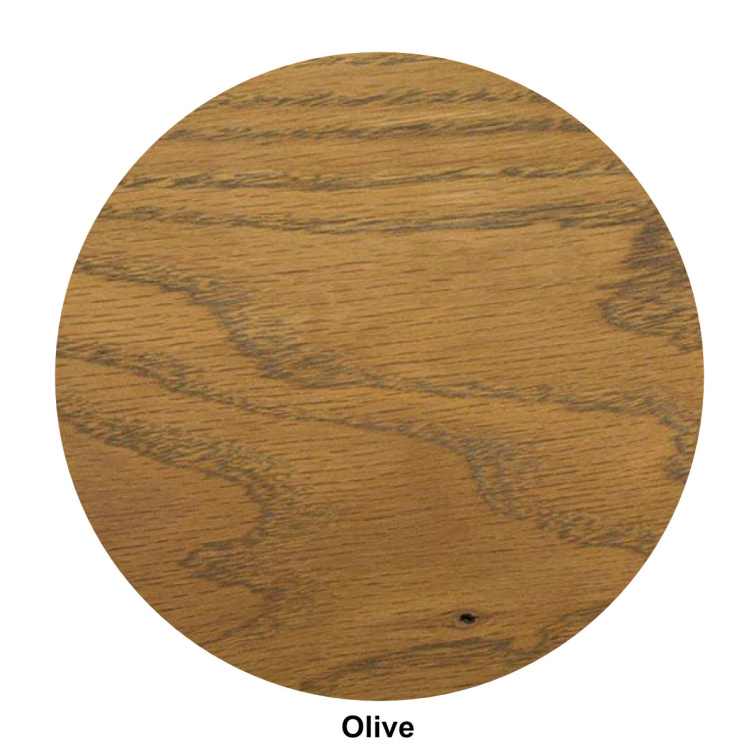
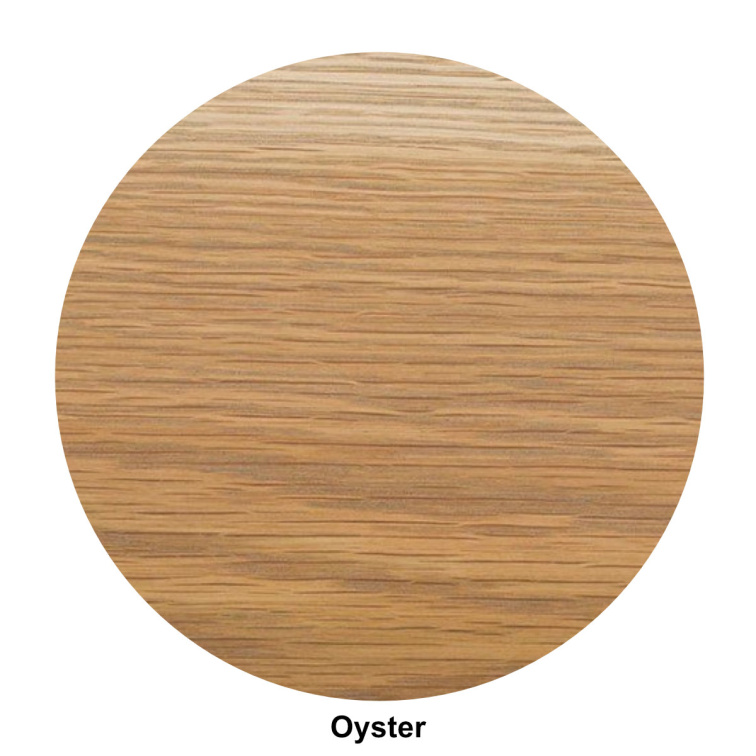
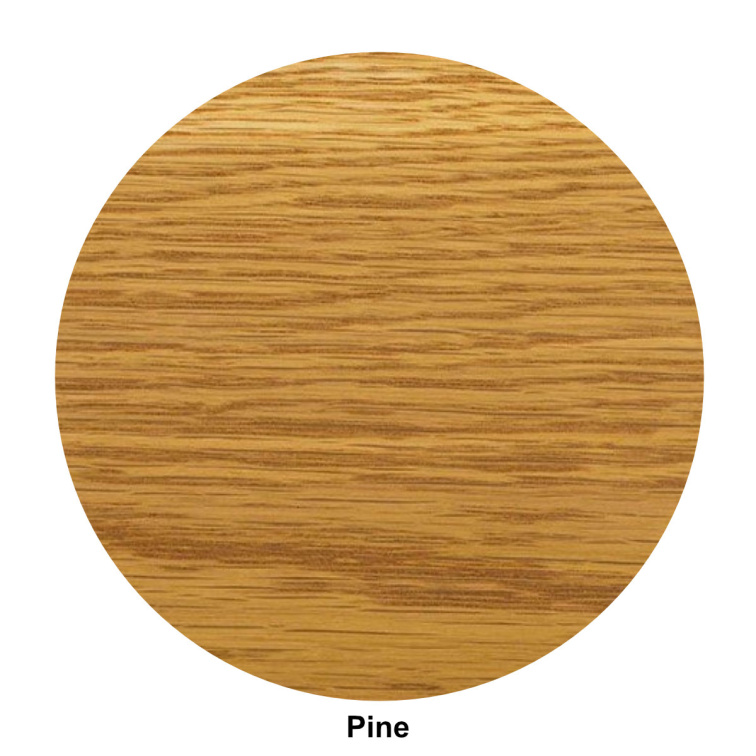
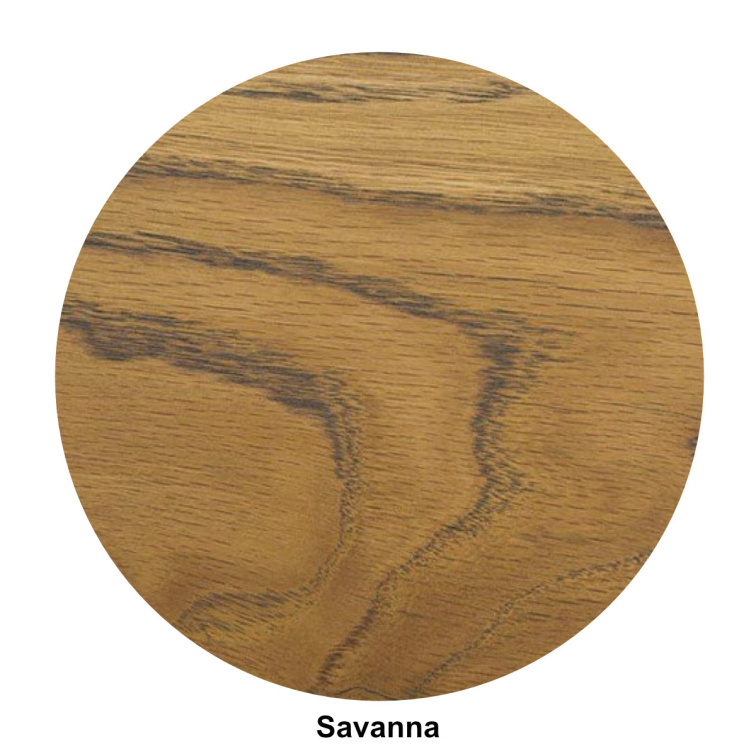
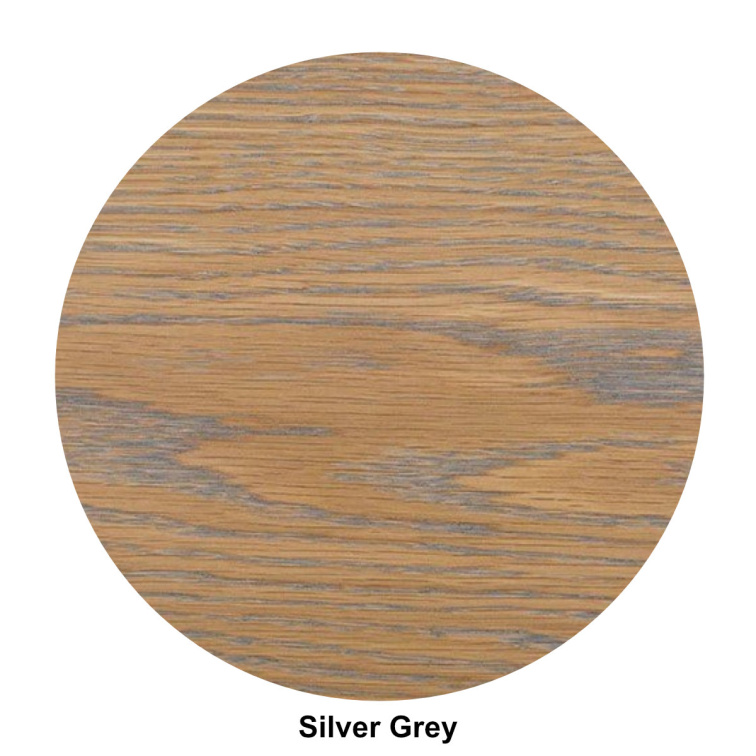
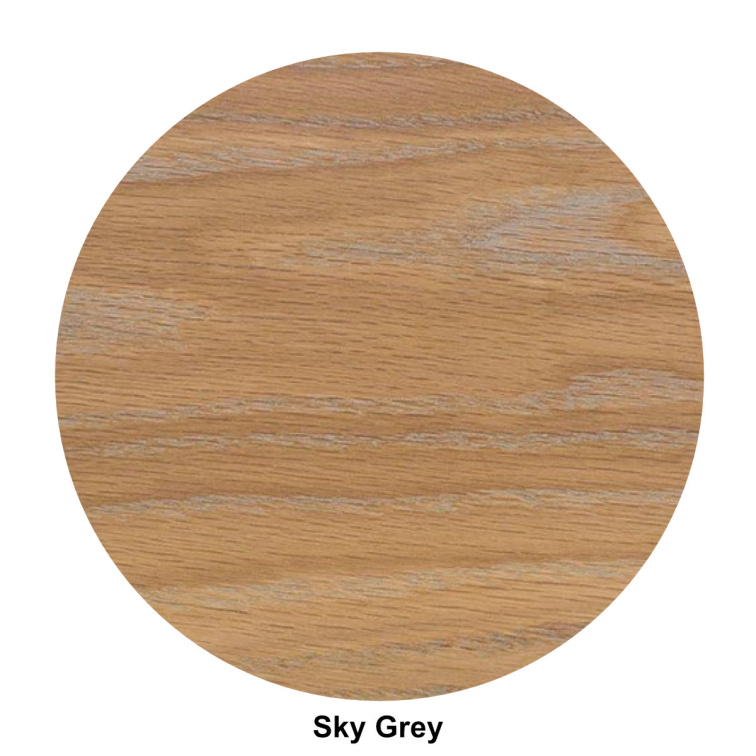
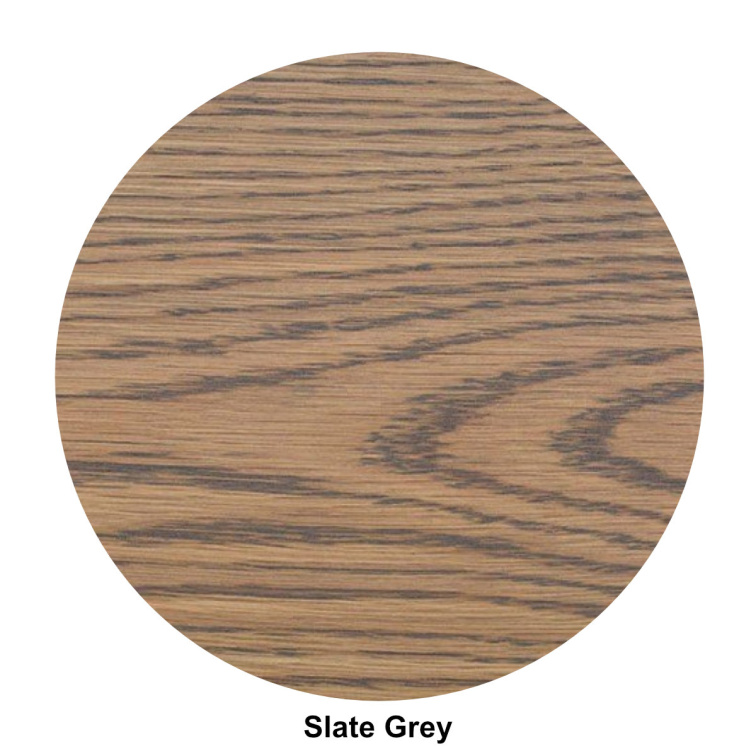
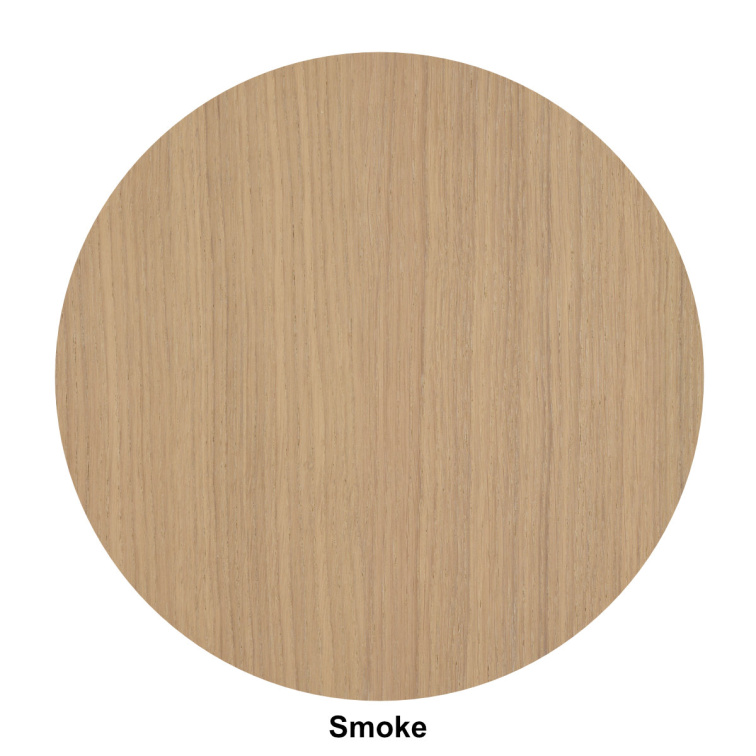
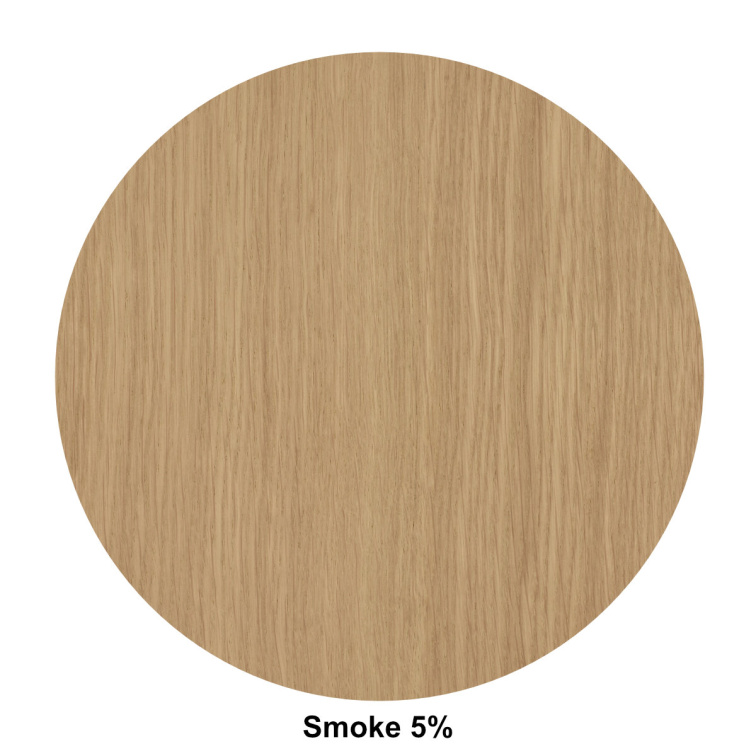
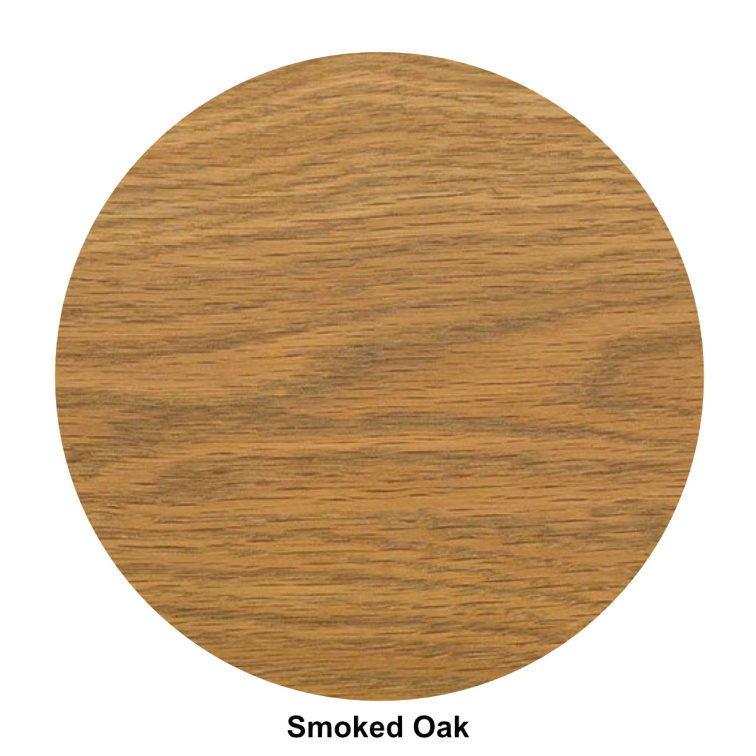
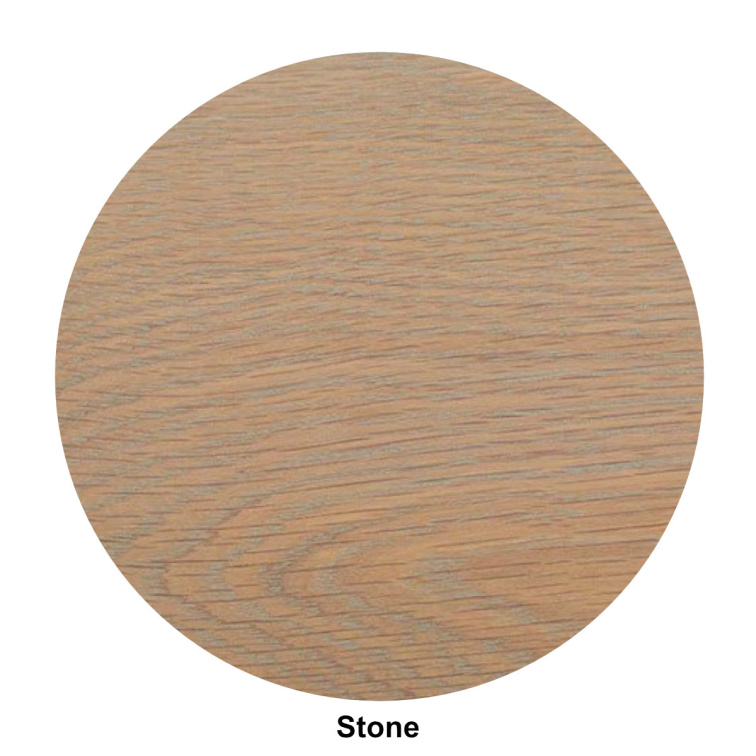
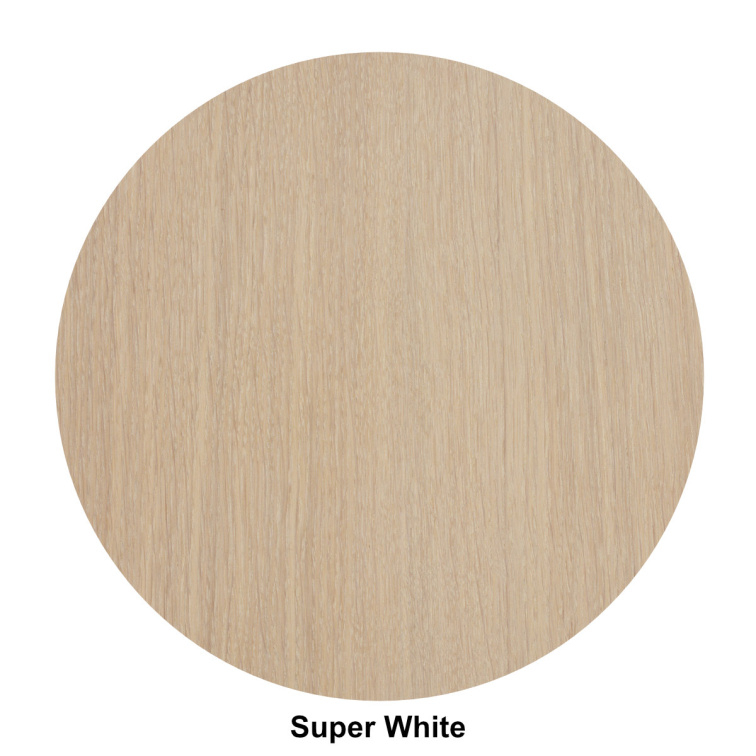
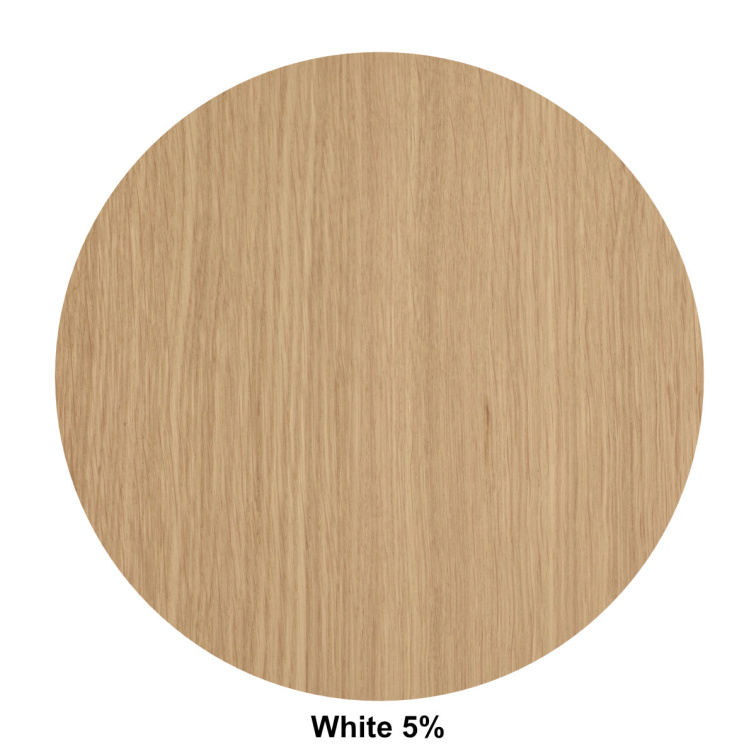
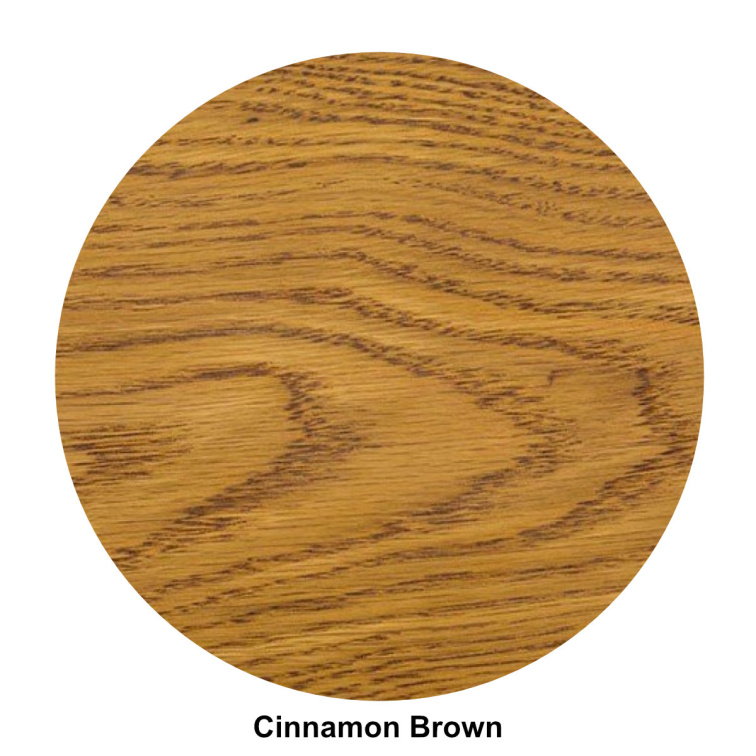
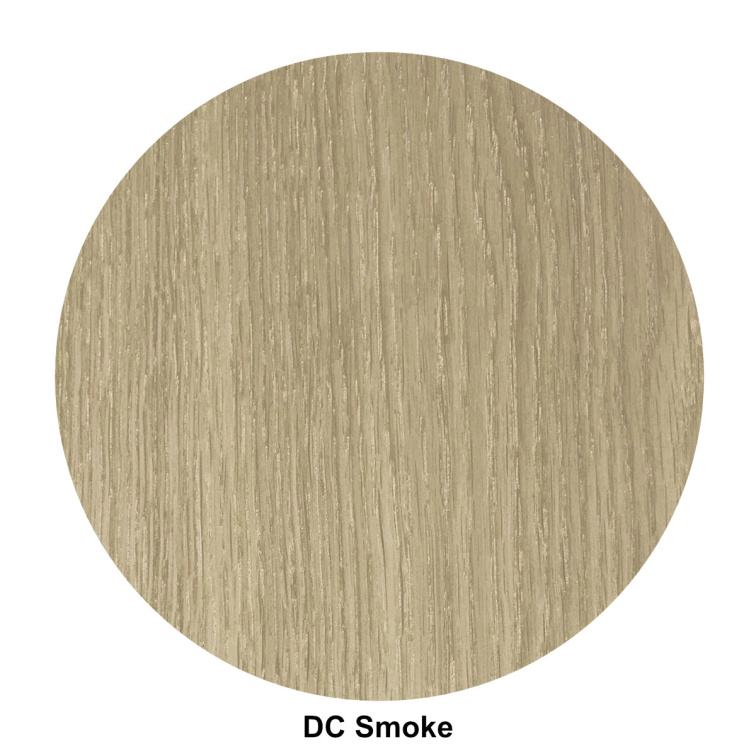
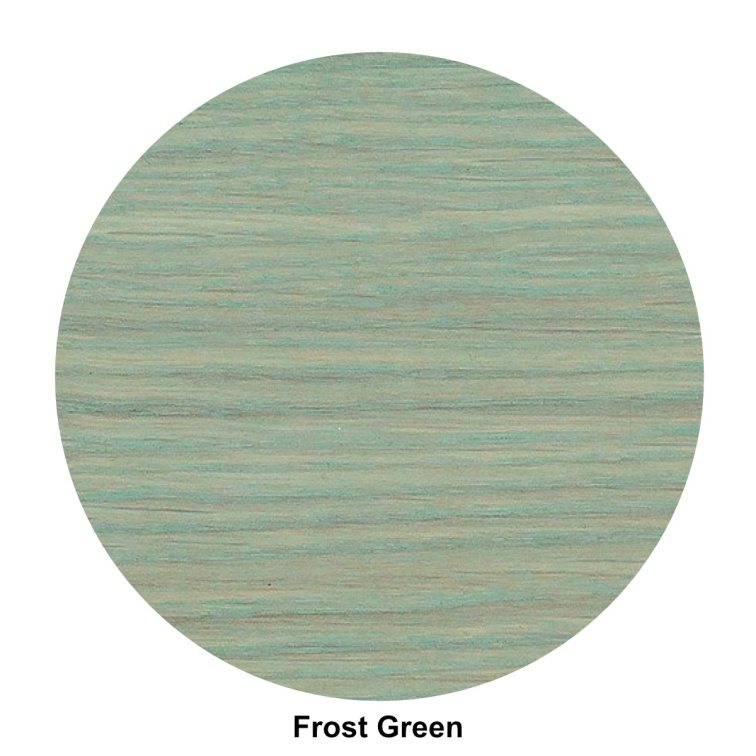
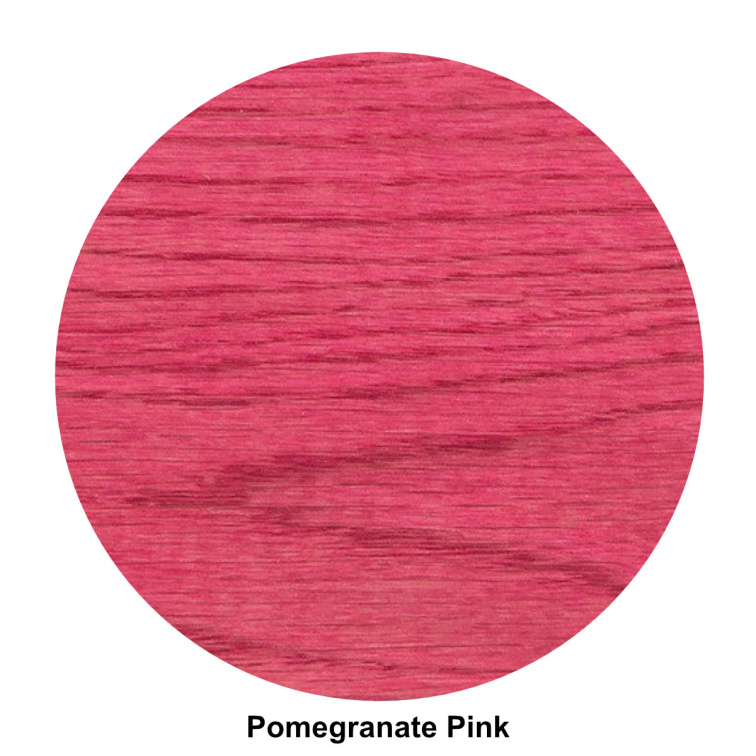
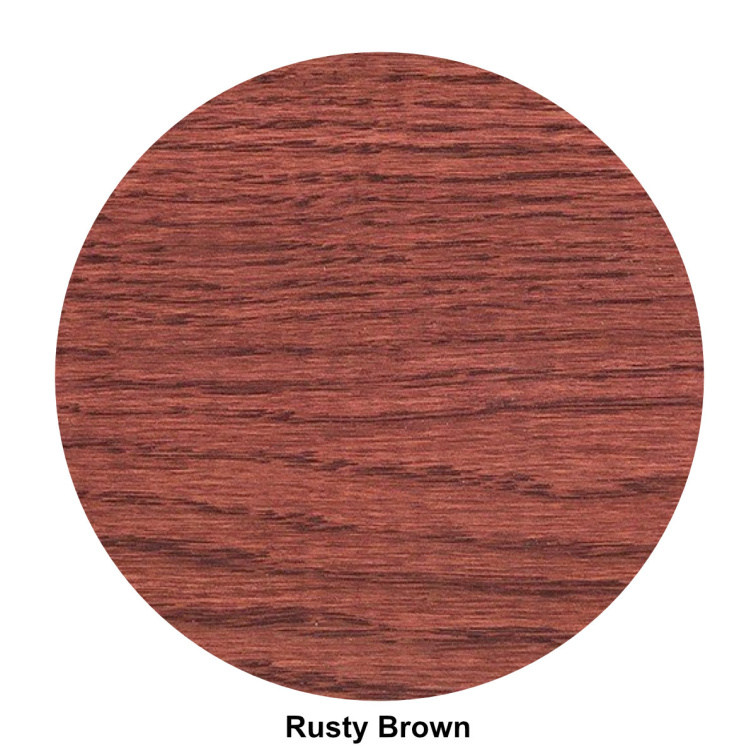
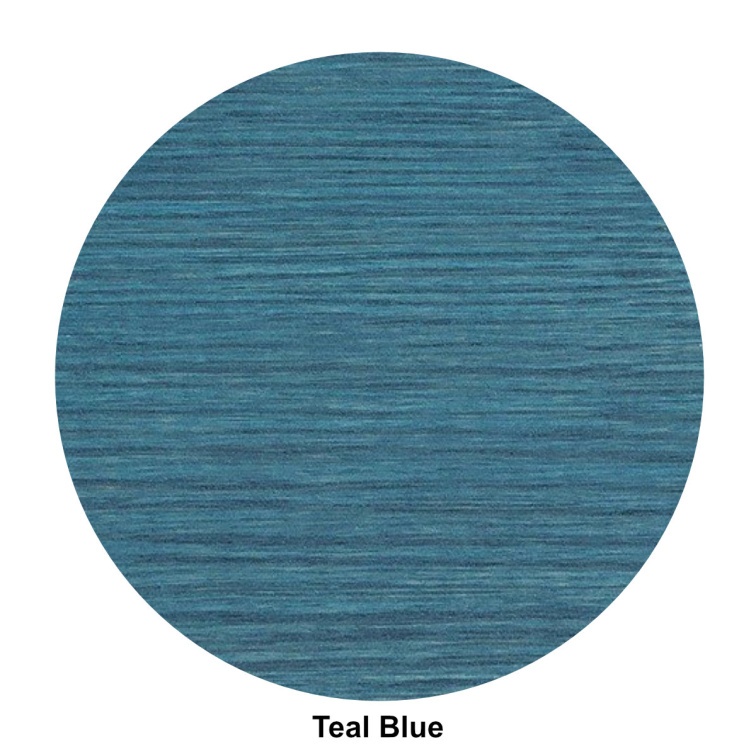
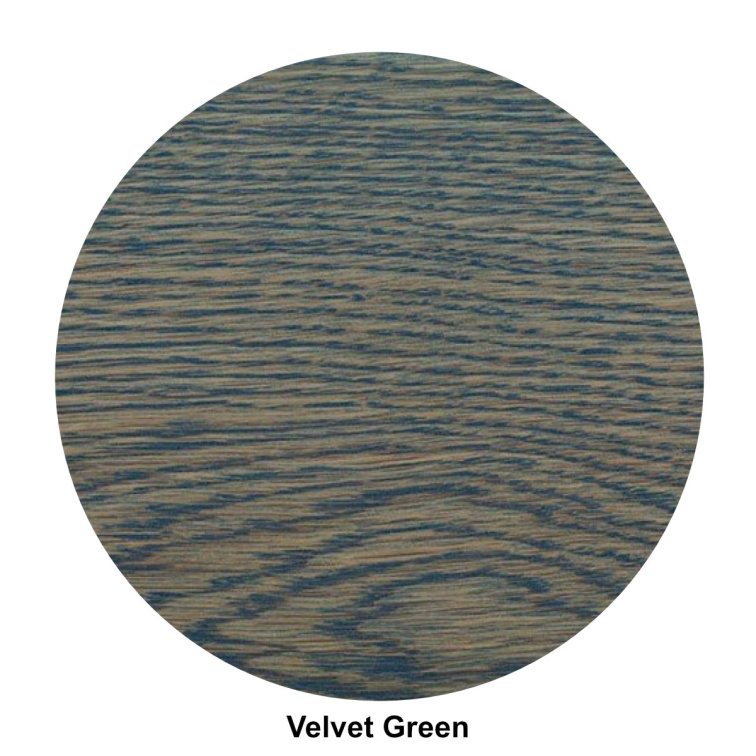
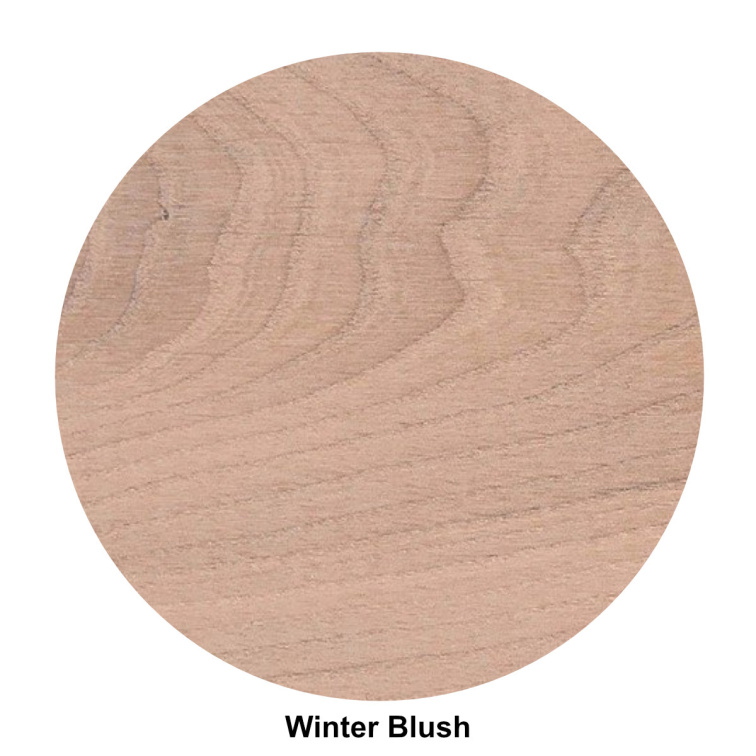
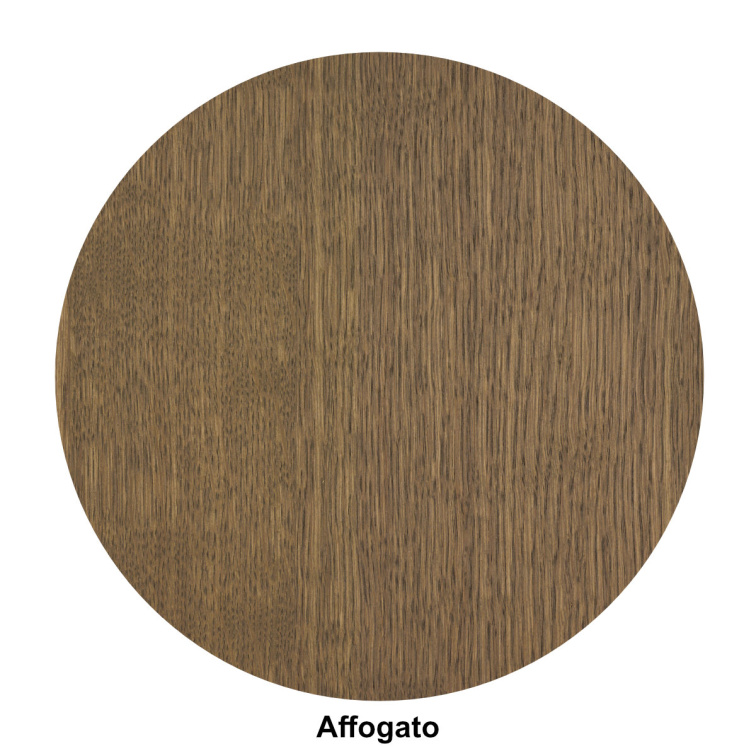
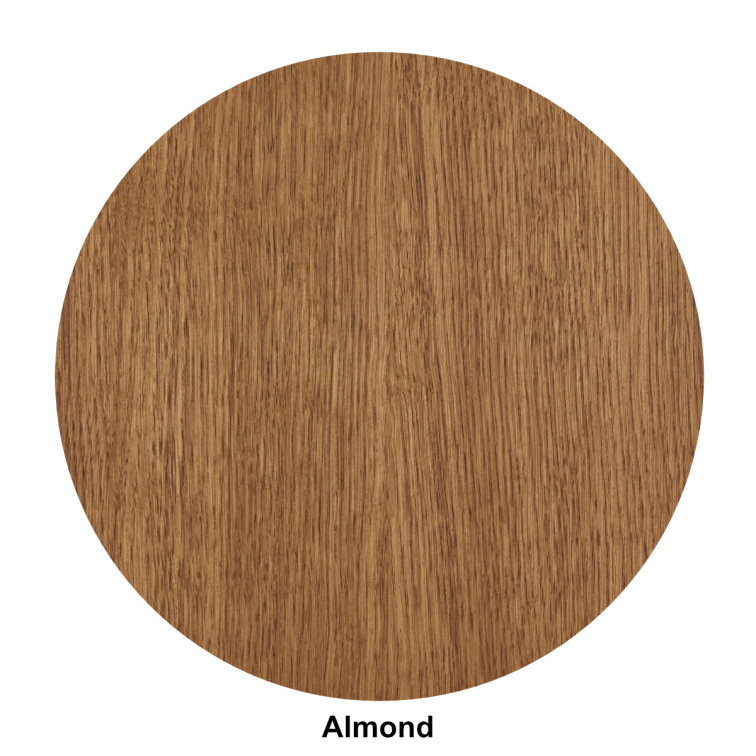
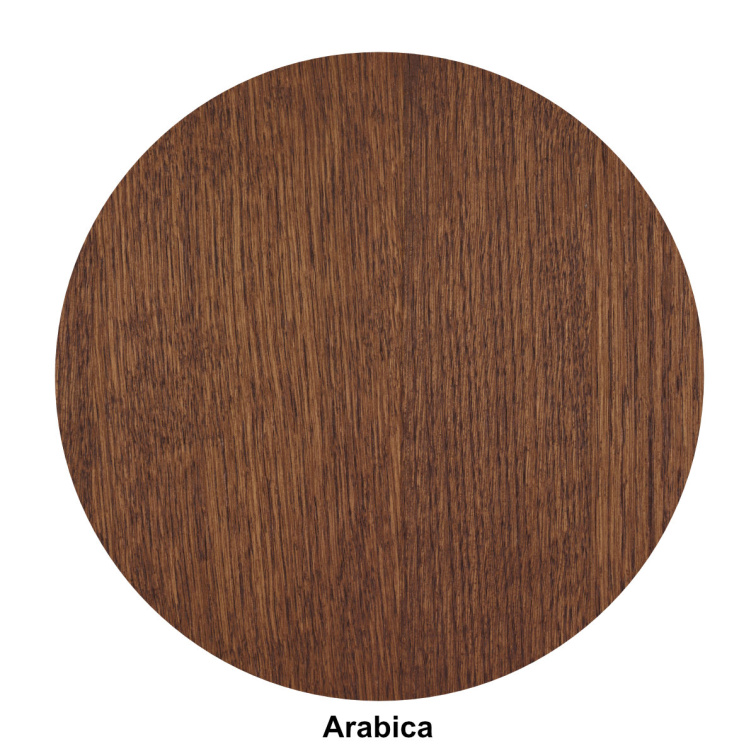
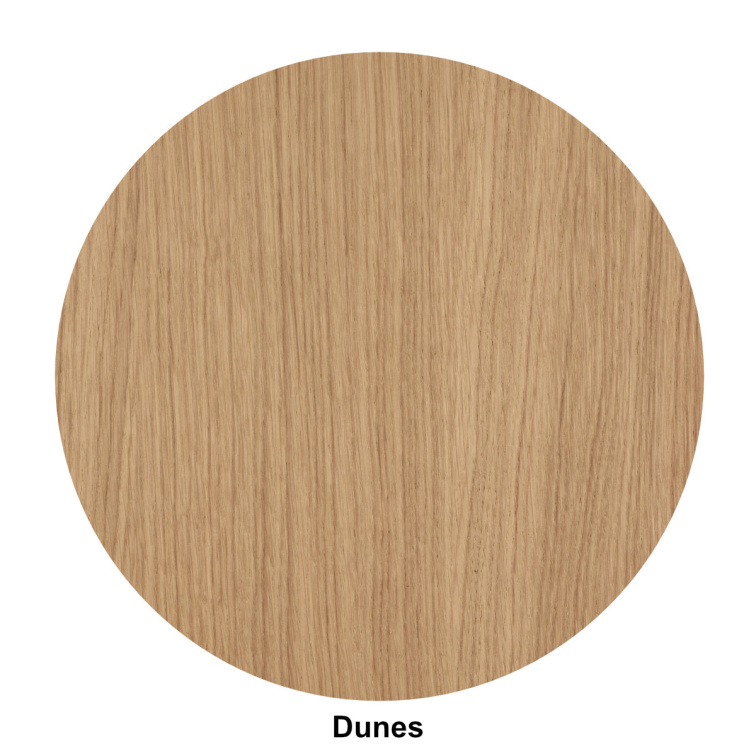
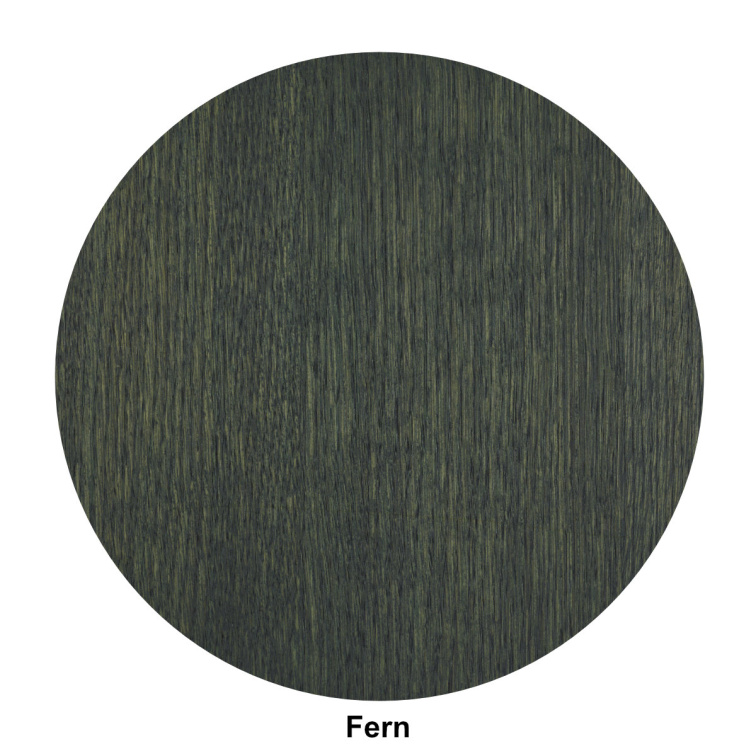
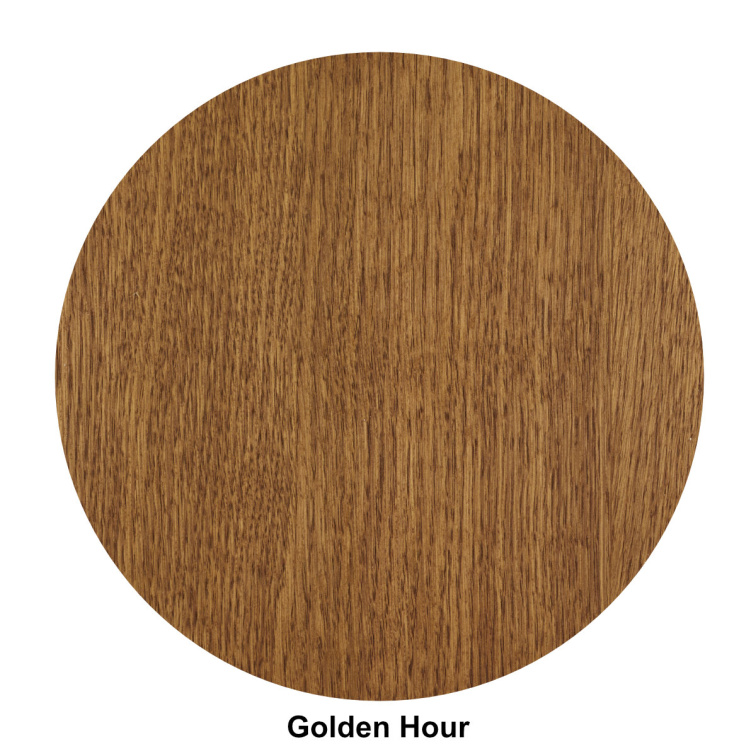
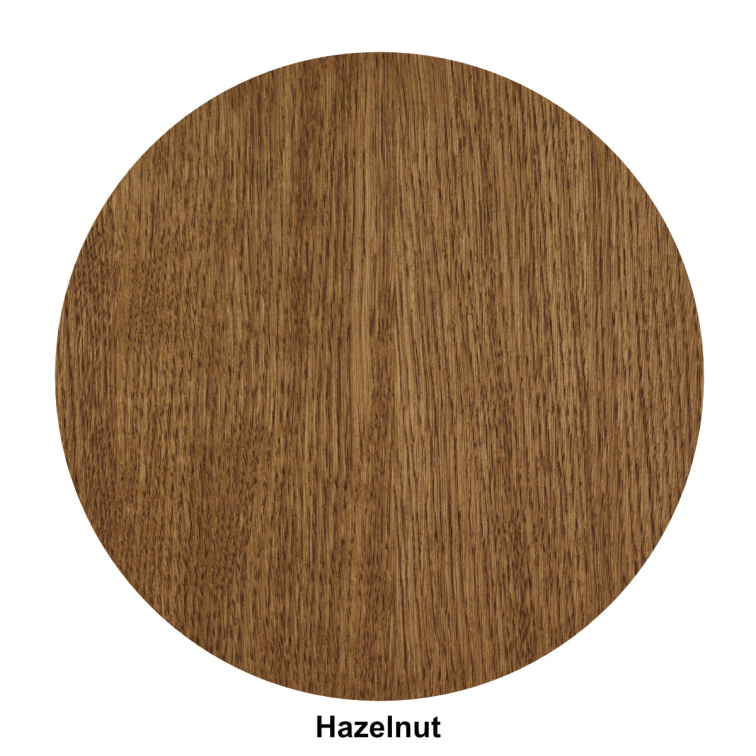
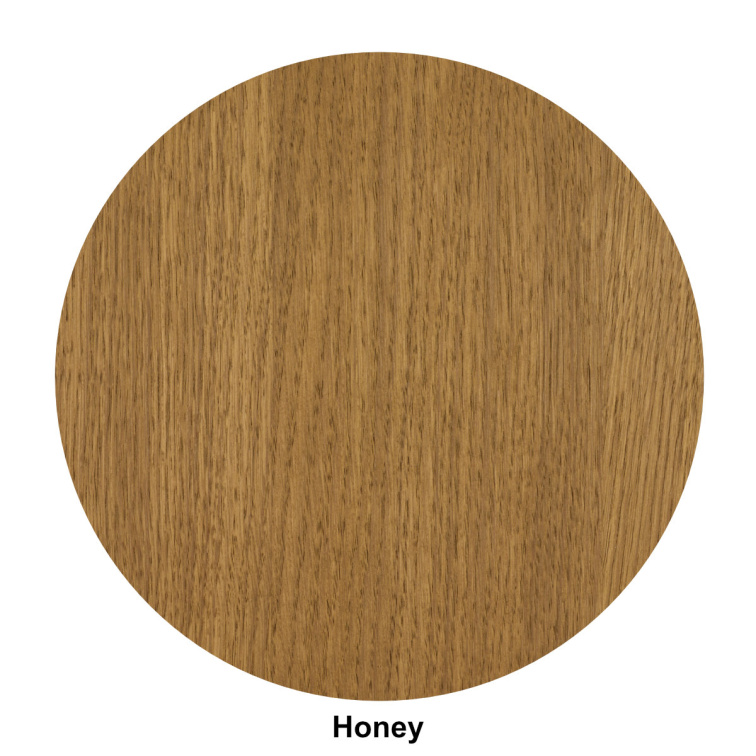
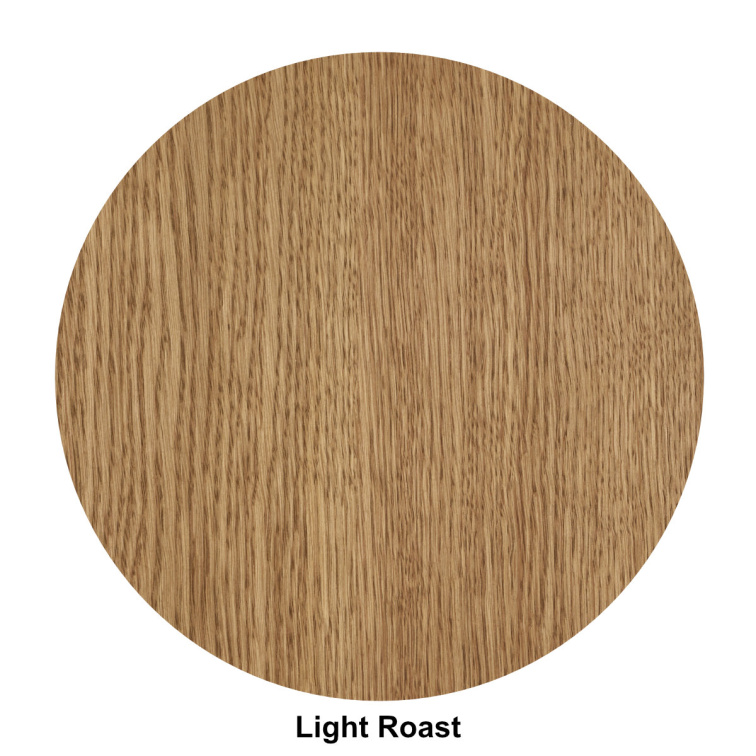
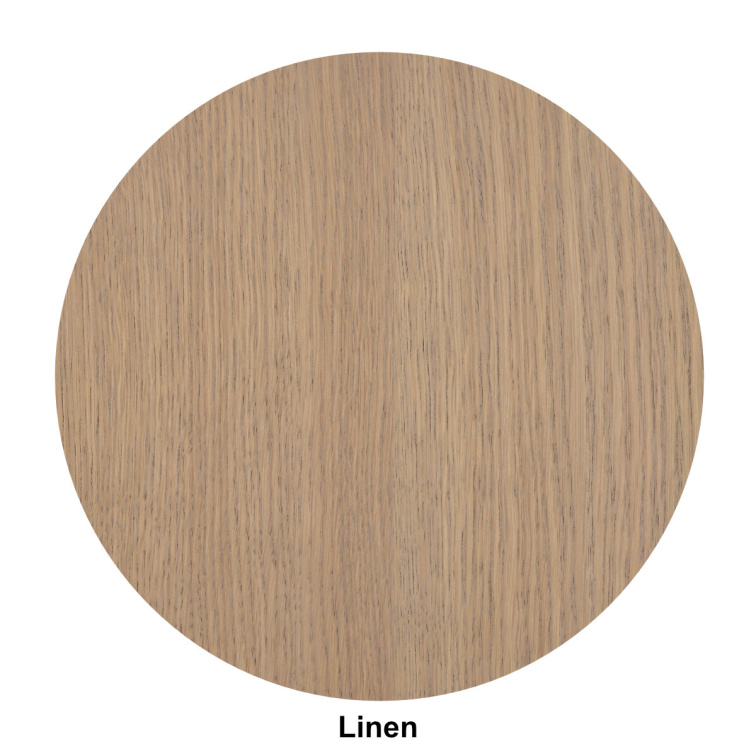
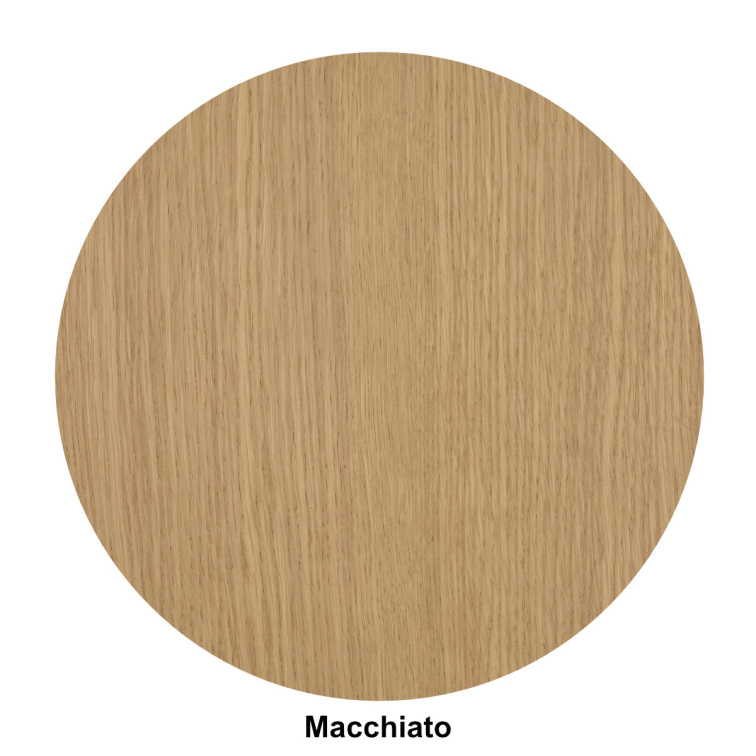
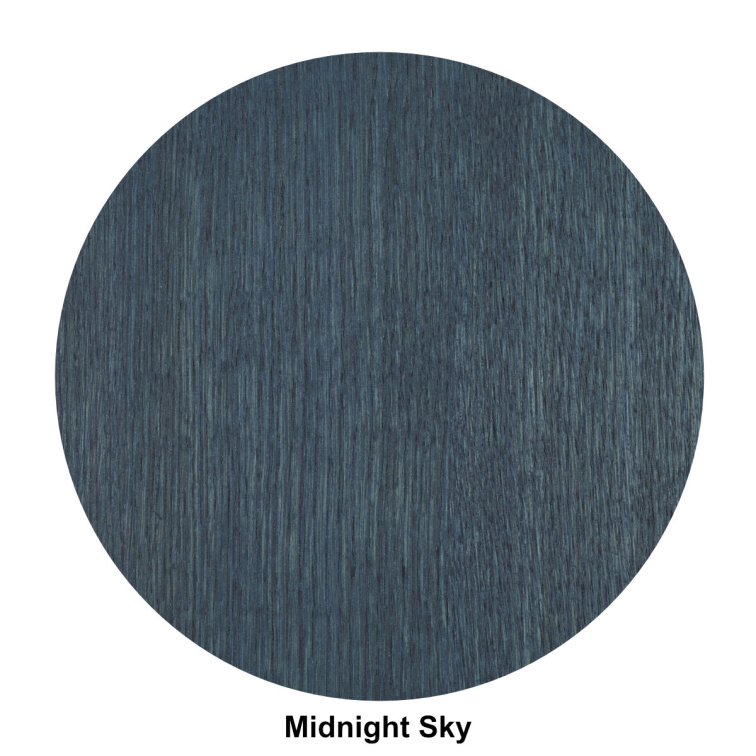
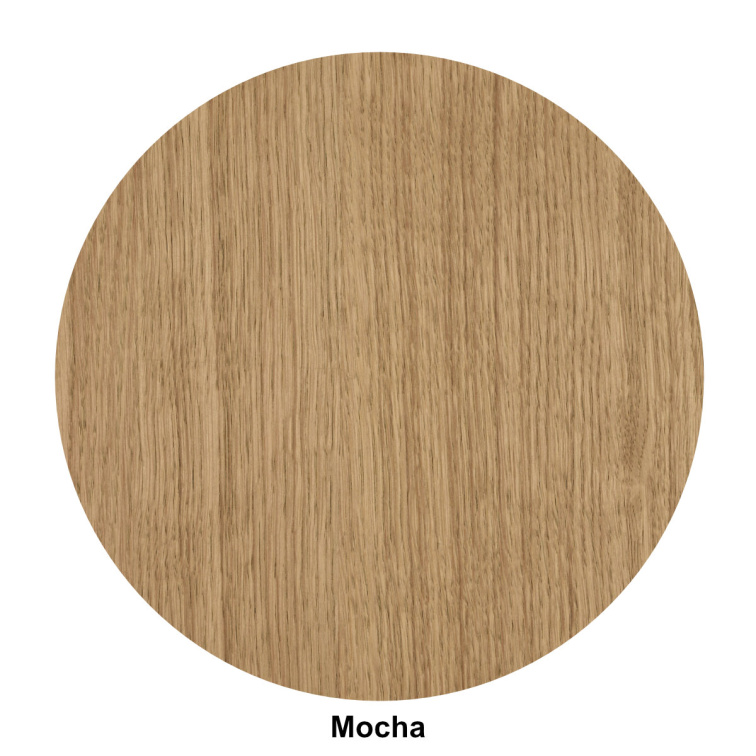
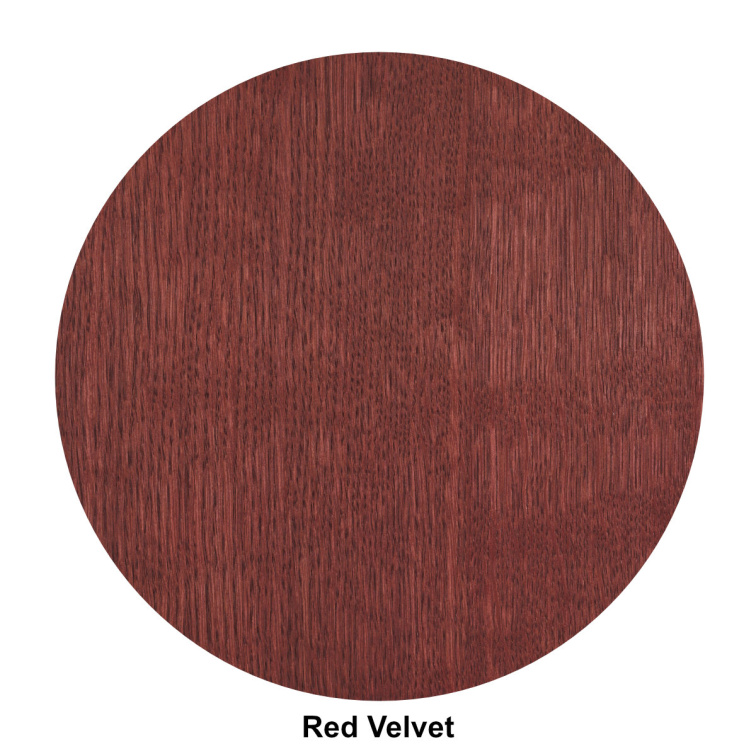
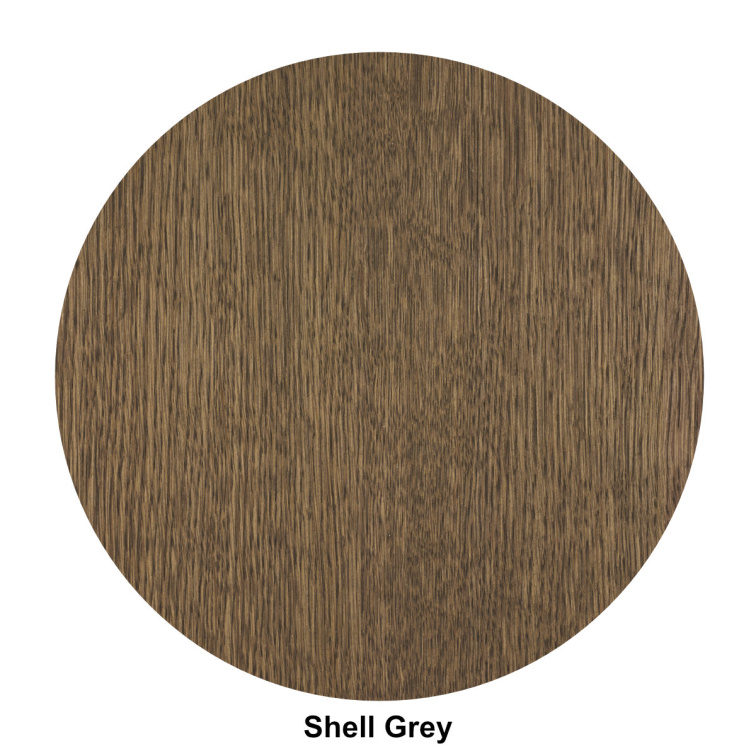

How much will I use?
· 30–50 m² per liter with standard manual application
· 60–80m² per liter with industrial application on oiling lines
Coverage varies depending on the type of wood, its surface finish, and the method of application. The values listed are approximate—for an accurate determination, we recommend testing on a sample first.
Packaging:
· 20ml – sample – component A only – 1 m²
· 130ml – set of 100 ml Component A + 30 ml Component B – 4 – 6.6m²
· 390ml – set of 300 ml Component A + 90 ml Component B – 12 – 19.5 m²
· 1.3L – set: 1 L of Component A + 0.3 L of Component B – 39–65 m²
· 3.5L –set of 2.75 L component A + 0.75 L component B – 105 –175 m²

Surface Preparation
Sand, clean, mix...
Applications
Apply using a pad, brush...
Drying time
It is walkable in 24–36 hours. Fully cured after 5 days.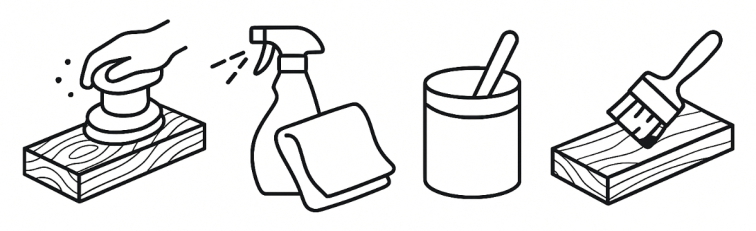
Additional parameters
| Category: | Interior wood finishes |
|---|---|
| Warranty: | 2 years |
| TYP PROSTŘEDÍ: | INTERIÉR |
| FÁZE PROCESU: | OCHRANA DŘEVA, RENOVACE POVRCHU |
| POUŽITÍ: | DŘEVENÁ PODLAHA, NÁBYTEK Z MASÍVU, DÝHOVANÝ NÁBYTEK, DŘEVĚNÉ HRAČKY, DVEŘE A OBLOŽKY INTERIÉR, KUCHYŇSKÝ NÁBYTEK, NÁBYTEK DO KOUPELNY, OBKLADY STĚN, SCHODIŠTĚ INTERIÉR, DŘEVĚNÉ NÁDOBÍ |
Product rating
Be the first who will post an article to this item!
Leave a rating
List of ratings
Discussion
Be the first who will post an article to this item!
| Manufacturing company : | RubioMonocoat.be |
|---|---|
| Address : | Ambachtenstraat 58 8870 Izegem België |
| E-mail : | [email protected] |


 Vytvořil Shoptet